Compliance Review
The compliance review function is triggered by a complaint from any two or more affected people or their authorized representative who allege that they have been directly, materially, and adversely harmed, or are likely to be harmed, by an ADB-assisted project and, that this is due to ADB’s noncompliance with its policies and procedures.
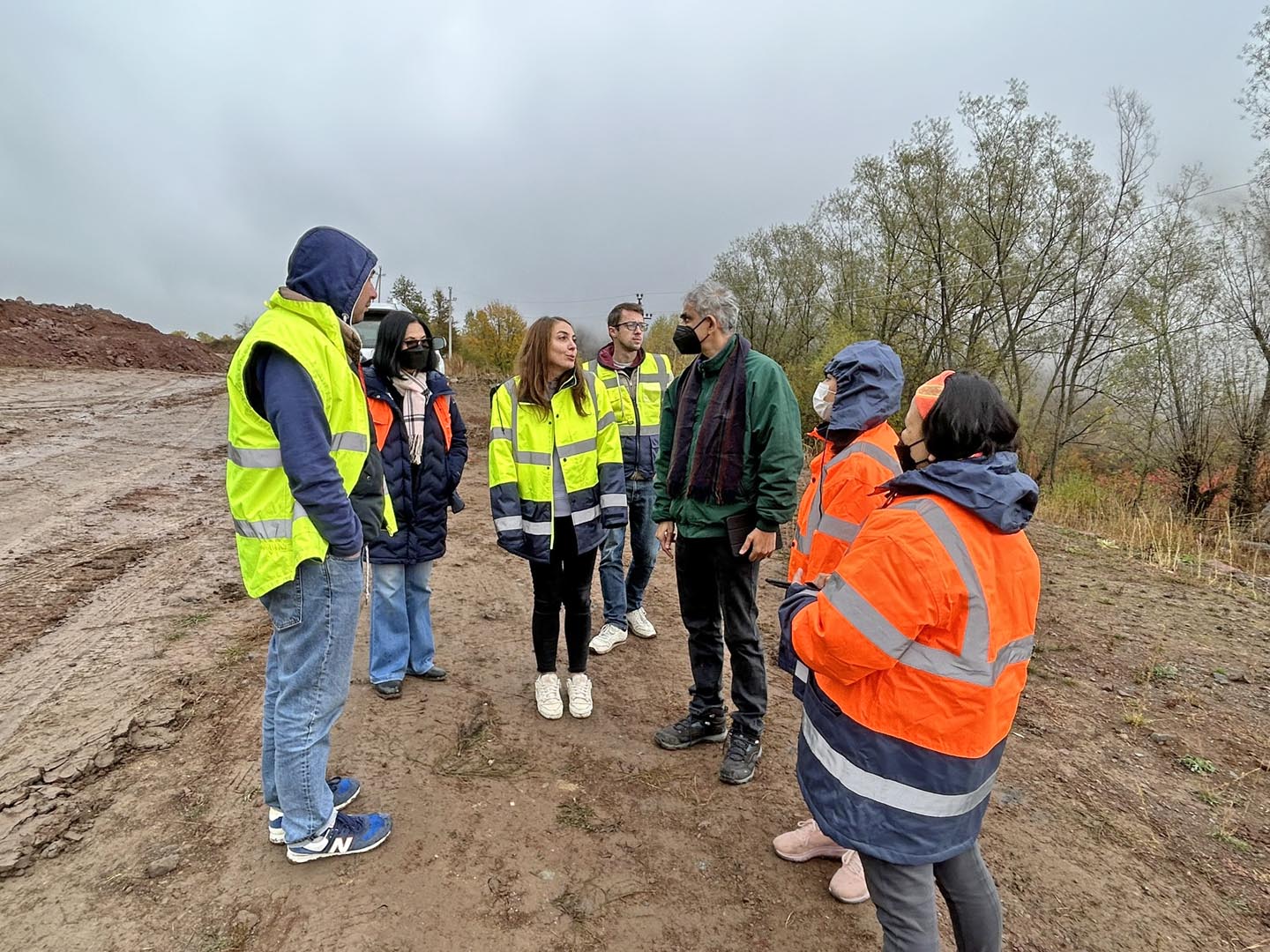
The OCRP has been diligently sharing lessons with all internal and external stakeholders, raising awareness, and conducting learning initiatives to improve the quality of project design and implementation. This maximizes development effectiveness and avoids repetition of the same grievances in the future (photo by OCRP).
The OCRP has been diligently sharing lessons with all internal and external stakeholders, raising awareness, and conducting learning initiatives to improve the quality of project design and implementation. This maximizes development effectiveness and avoids repetition of the same grievances in the future (photo by OCRP).
The compliance review is carried out by the CRP, comprised of a full-time Chair and two part-time members. It serves as an independent fact-finding body of ADB Board of Directors and is supervised by a six-person Board Compliance Review Committee on behalf of the Board. CRP investigates ADB and not the borrowing country, the executing or implementing agency, or a private sector client.
The compliance review function follows a formal 10-step process provided in the AMP divided into three major stages—eligibility determination, compliance review investigation, and monitoring of Board-approved remedial actions—to bring the project back into compliance and address the issues raised by the complainants. All CRP reports are subject to Board approval and are disclosed on ADB website.
As a fact-finding body, the CRP conducts its compliance review through (i) constructive engagement with all relevant stakeholders, including the complainants, other community members, the concerned ADB operations department, the borrower, concerned government agencies, and CSOs, if any; (ii) in-depth desk review of all relevant documents submitted by all parties; and (iii) site visits. Lessons learned from the cases handled contribute to the development effectiveness of the bank and to improving how projects are designed, implemented, and monitored.
In 2023, the CRP received a complaint on a road project in Mongolia. Although the complaint was declared ineligible, the CRP provided recommendations for the project team to improve its due diligence, monitoring, and supervision responsibilities. The CRP also had its first monitoring of the implementation of remedial actions for a road project in Georgia.
Complaints Received in 2023
Mongolia: Regional Road Development and Maintenance Project
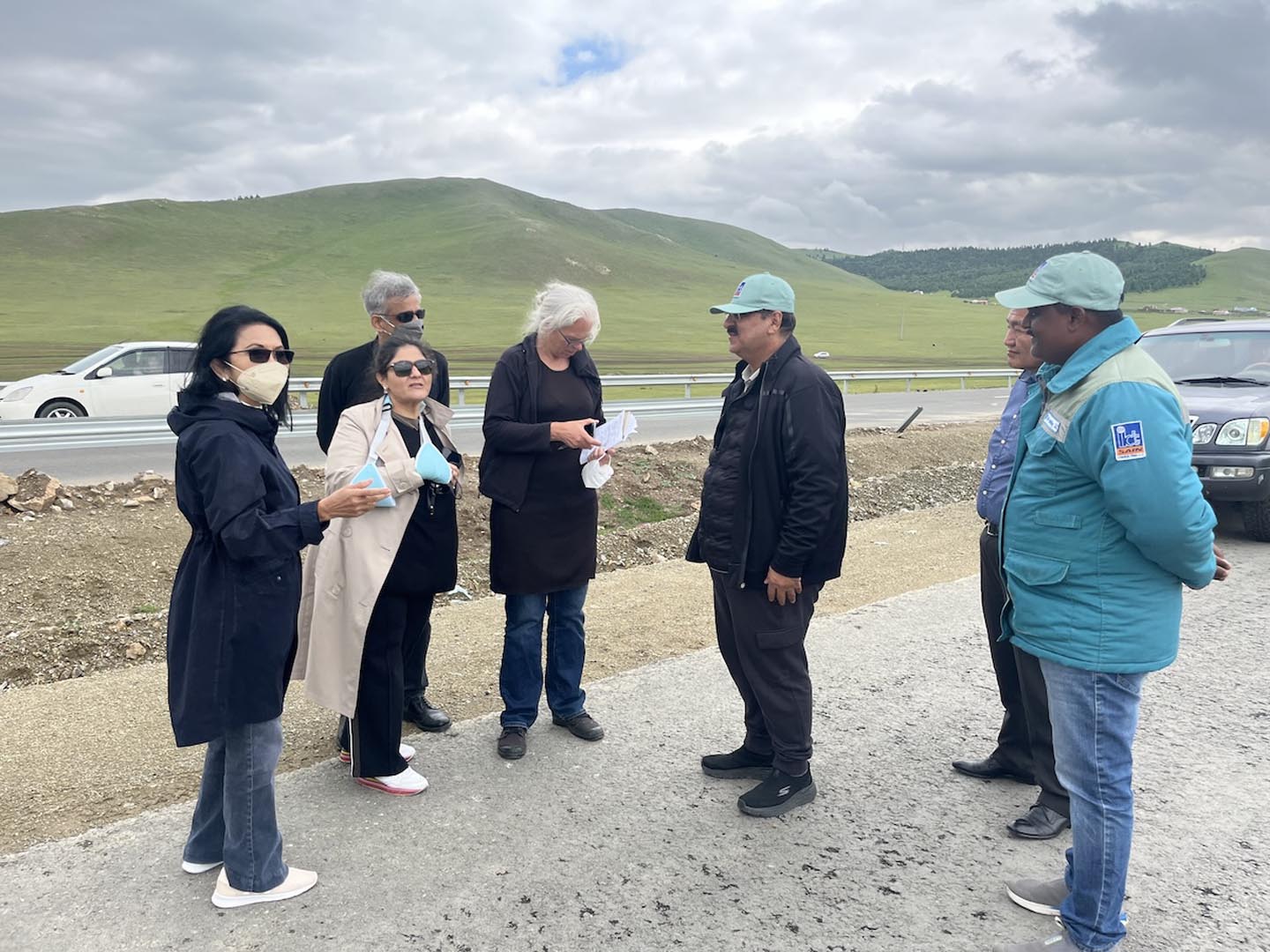
In July 2023, the Compliance Review Panel conducted a site visit in response to the compliance review request on the Mongolia Road Development and Maintenance Project (photo by OCRP).
In July 2023, the Compliance Review Panel conducted a site visit in response to the compliance review request on the Mongolia Road Development and Maintenance Project (photo by OCRP).
Background
The Mongolia: Regional Road Development and Maintenance Project aims to rehabilitate the existing two lanes of the Ulaanbaatar to Darkhan (UBD) road. The targeted outcome of this project is improved safety of road transport within the project area and between countries, based on three outputs: (i) improved road asset management capacity, (ii) improved road condition, and (iii) improved road safety. Separate from ADB’s financing, the European Bank for Reconstruction and Development (EBRD) also provided funding for the expansion of the existing two-lane UBD road into four lanes.
The CRP received a complaint about the project on 8 May 2023. The complaint was submitted by a resort owner and a farmer. The resort owner alleged that: rehabilitation of the existing road began without prior notice, including the removal of the existing paving on the road; access to their resort was severely disrupted, leading to a reduction in the number of tourists and consequently a loss of income/revenue; more than 20 people had died; and hundreds of businesses had lost their income. The farmer asserted that the work blocked access to her farm and damaged her berry crops. In addition, she claimed that dust emissions from construction activities had resulted in low dairy production and poor milk quality from her cattle.
It is worth noting that these two complainants had filed their complaint with OSPF in 2022. The complaint was deemed ineligible on 23 June 2022 due to lack of prior good faith efforts to resolve their concerns with ADB Management and was subsequently forwarded to the East Asia Department and the relevant project team. In 2023, the two complainants decided to bring their issues to the AM again after making good faith efforts to engage with ADB project team and Management, but this time chose the compliance review function. The resort owner also filed a similar complaint with the Independent Project Accountability Mechanism (IPAM) of the EBRD. Considering that there were two projects running on the same road alignment funded by two different development financial institutions, it was important to determine which project adversely affected the complainants. The CRP fielded a mission to Ulaanbaatar, Mongolia in July 2023. While this was not cofinanced with EBRD, the CRP coordinated with the IPAM team investigating the complaint of the resort owner and agreed to undertake a joint mission.
The CRP had extensive discussions with the complainants, other community members, the borrower (the Ministry of Road and Transport Development of Mongolia [MRTD]), other relevant government agencies, the supervision consultants, the contractor, ADB project team, and the EBRD team. The CRP also visited on-site civil works on the UBD road and the temporary road that the government had constructed for project use, as well as the resort and farm of the two complainants. The CRP reviewed documents provided by the supervision consultants, MRTD, and the concerned ADB contractor.
CRP learned that MRTD had divided the maintenance of the section of the temporary road that was the subject of the complaint (CW1-2) between ADB-assisted and EBRD-financed contractors. An agreement confirmed by an instruction from the supervision consultant meant that the ADB-assisted contractor was responsible for the maintenance of the temporary road from zero point (KM0+000) to KM22+750 of CW1-2 while the EBRD-financed contractor was responsible for the maintenance of the temporary road from KM22+750 to KM45+500, the end point of CW1-2. This latter section includes the access from the UBD road to the locations of the two complaints—the resort owner at KM44+350 and the farmer at KM36+000.
After a thorough assessment, the CRP concluded that ADB-assisted project activities, particularly the use of temporary roads, contributed to the inconveniences that resort visitors would have encountered and to the resort’s income/revenue losses. However, besides the ADB-assisted contractor, the EBRD-financed contractor was also working in parallel on the same section of the project road. In addition, the pandemic had generated adverse impacts on businesses in the entire tourism sector of Mongolia as documented by the study on Impacts of the Pandemic to Businesses in the Tourism Sector.1 Since there were multiple contributing factors to the resort’s income and revenue losses, the CRP could only document the situation in the eligibility report following para. 187 and footnote 46 of the AMP.2
In the case of the farmer, although direct, adverse, and material harm to her family’s livelihood was established, the CRP found that these adverse impacts were not due to ADB-assisted project activities but were instead caused by dust from the quarry of the EBRD-financed contractor and by the EBRD-financed contractor’s management of the relevant stretch of the temporary road. In situations such as this, para. 148 (i) of the AMP states that complaints “relating to actions that are the responsibility of other parties are to be excluded from compliance review.” Considering this analysis, the farmer’s complaint was excluded. The CRP concluded that the complaint was ineligible since it fell within the exclusions under para. 148 (i) and additionally, did not meet the eligibility requirements under paras. 138 (i) and 179 of the AMP. The CRP eligibility report was made available on the same day.3
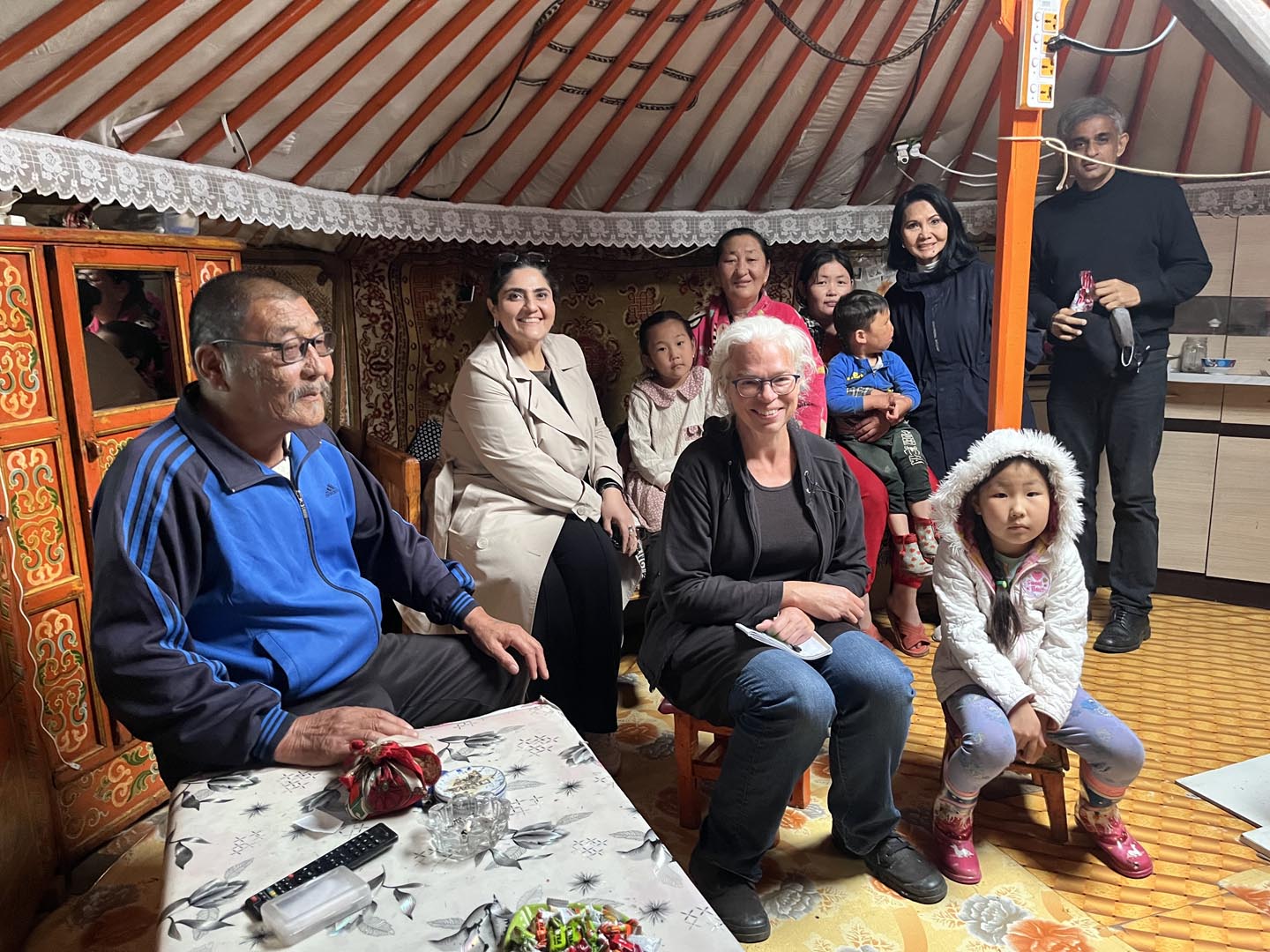
CRP meeting with project affected household inside their ger (photo by OCRP).
1 Government of Mongolia, Ministry of Environment and Tourism. 2022. Impacts of the Pandemic to Businesses in the Tourism Sector, Mongolia. https://tourism.ub.gov.mn/?p=10832.
2 Footnote 46 of AMP states “During the eligibility determination or the compliance review, if the CRP finds that the alleged direct and material adverse effect is not totally or partially caused by ADB’s noncompliance, its eligibility determination and/or compliance review report will state this without analyzing the direct and material adverse effect itself or its causes.” ADB. 2012. Accountability Mechanism Policy 2012. Manila.
3 ADB. 2023. Report on Eligibility to the Board of Directors on Compliance Review Panel Request No. 2023/1 on the Mongolia: Regional Road Development and Maintenance Project (Asian Development Bank Loan 3679/3786). Manila. https://lnadbg4.adb.org/dir0035p.nsf/ attachments/Mongolia-CR-ER-ForBoard.pdf/$FILE/Mongolia-CR-ER-ForBoard.pdf.
Lessons Learned
While the complaint was declared ineligible, the CRP identified areas of potential noncompliance and recommended ADB to strengthen its due diligence, monitoring, and supervision responsibilities, not just for this project in Mongolia, but for all future projects.
Associated facility. The initial environmental examination (IEE) was found to be inadequate since it did not recognize and assess the risks and impacts arising from the temporary road. This should have been considered as an associated facility as per the Safeguard Policy Statement (SPS), Environment Safeguard, Appendix 1, para. 6.1 Therefore, mitigation measures included in the IEE were also inadequate. During implementation, the adverse impacts from the use of the temporary road became evident, such as heavy dust emissions and unsafe road conditions that impacted income and livelihood but were inadequately addressed. It is important to consider associated facilities during early preparation and final design so any risks and adverse impacts can be included in the impact assessment, and appropriate mitigation measures can be proposed and included in the environmental (and social) management plans.
Grievance redress mechanism. There were issues with the GRM. There was no comprehensive register of received complaints (written or verbal). Actions taken on the complaints lodged during the first year of project implementation were not tracked and reported in subsequent environmental monitoring reports. There was no public notice to inform community members about how to file a complaint or to whom it should be directed. The CRP received credible accounts that affected individuals were verbally discouraged from lodging complaints through the GRM. The CRP suggested that ADB project team make concerted efforts to further strengthen the GRM during the remaining project implementation period.
Records management. The CRP is a fact-finding body of the Board and thus relies on the facts that it gathers during its investigation. Documentation about the division of responsibilities regarding the maintenance of the temporary road section relevant to the complaint only surfaced during the panel’s mission, and this highlighted the inadequacy of records management for this project. Considering that there will always be changes in the staff of ADB, the borrower, and the supervision consultant during the life of a project, more attention should be paid to ensure robust record management.
1 ADB. 2009. Safeguard Policy Statement. Manila. https://www.adb.org/sites/default/files/institutional-document/32056/safeguard-policy-statement-june2009.pdf.
Georgia: North–South Corridor (Kvesheti–Kobi) Road Project
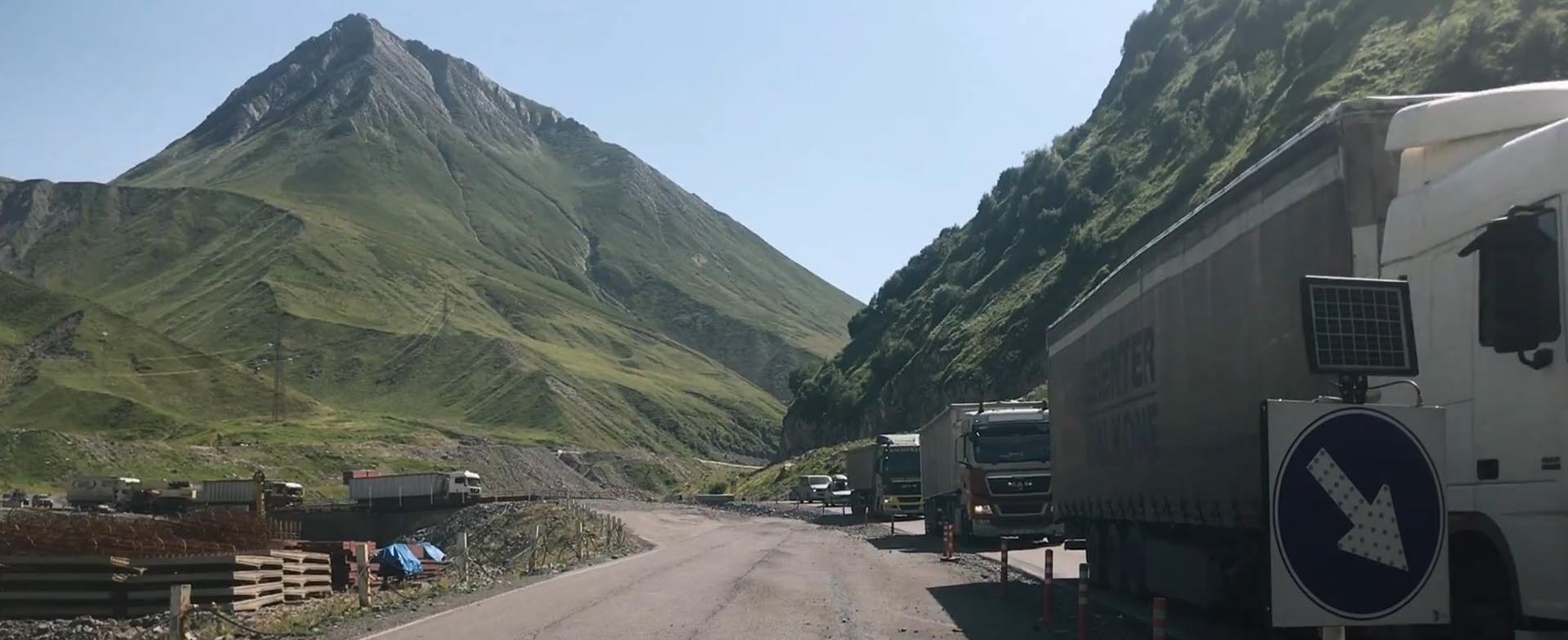
ADB is helping build a 23-kilometer road from Kvesheti to Kobi, in the north of the country, to ease traffic at tourist spot Gudauri and improve regional cargo transit.
ADB is helping build a 23-kilometer road from Kvesheti to Kobi, in the north of the country, to ease traffic at tourist spot Gudauri and improve regional cargo transit.
Background
The Georgia: North–South Corridor (Kvesheti–Kobi) Road Project involves the construction of about 23 kilometers (km) of a climate-resilient bypass road between Kvesheti and Kobi, about 5 km of climate-resilient all-weather access roads to roadside towns and villages, the establishment of a Khada Valley visitor center, and capacity building of the Roads Department of Georgia on project and contract management.
The CRP received a complaint on 6 January 2021 pertaining to the construction of a portion of the North–South Corridor, which connects Tbilisi to the Mtskheta-Mtianeti region in the north and to the Kvemo Kartli region in the south. The concerns raised related to ADB’s compliance with its policies and indicated potential harm to the affected persons in the Khada Valley through (i) destruction of the Khada Valley and incomplete consideration of alternatives, (ii) impacts on livelihood and local benefits, (iii) problems of project design and impacts on physical cultural resources (PCR), and (iv) the quality of the environment and social impact analysis reflected in the environmental impact assessment. The CRP determined the complaint eligible for compliance review on 24 March 2021.
Following Board approval of the CRP findings of noncompliance, ADB Management submitted a proposed Remedial Action Plan (RAP) to the Board on 28 April 2023, which it approved on 19 May 2023. The CRP monitors the implementation of the Board-approved RAP to ensure that actions to bring the project back into compliance with ADB’s operational policies and procedures are implemented accordingly. On 30 June 2023, the project team submitted the first progress report on the implementation of the RAP. The CRP reviewed the progress report, including all relevant documents received from ADB project team, and conducted a monitoring mission in October 2023. The CRP visited the project sites and met with the complainants, other community members, the NGO representing the complainants, the borrower, other relevant agencies, the project supervision consultants, the two contractors, and ADB project team.
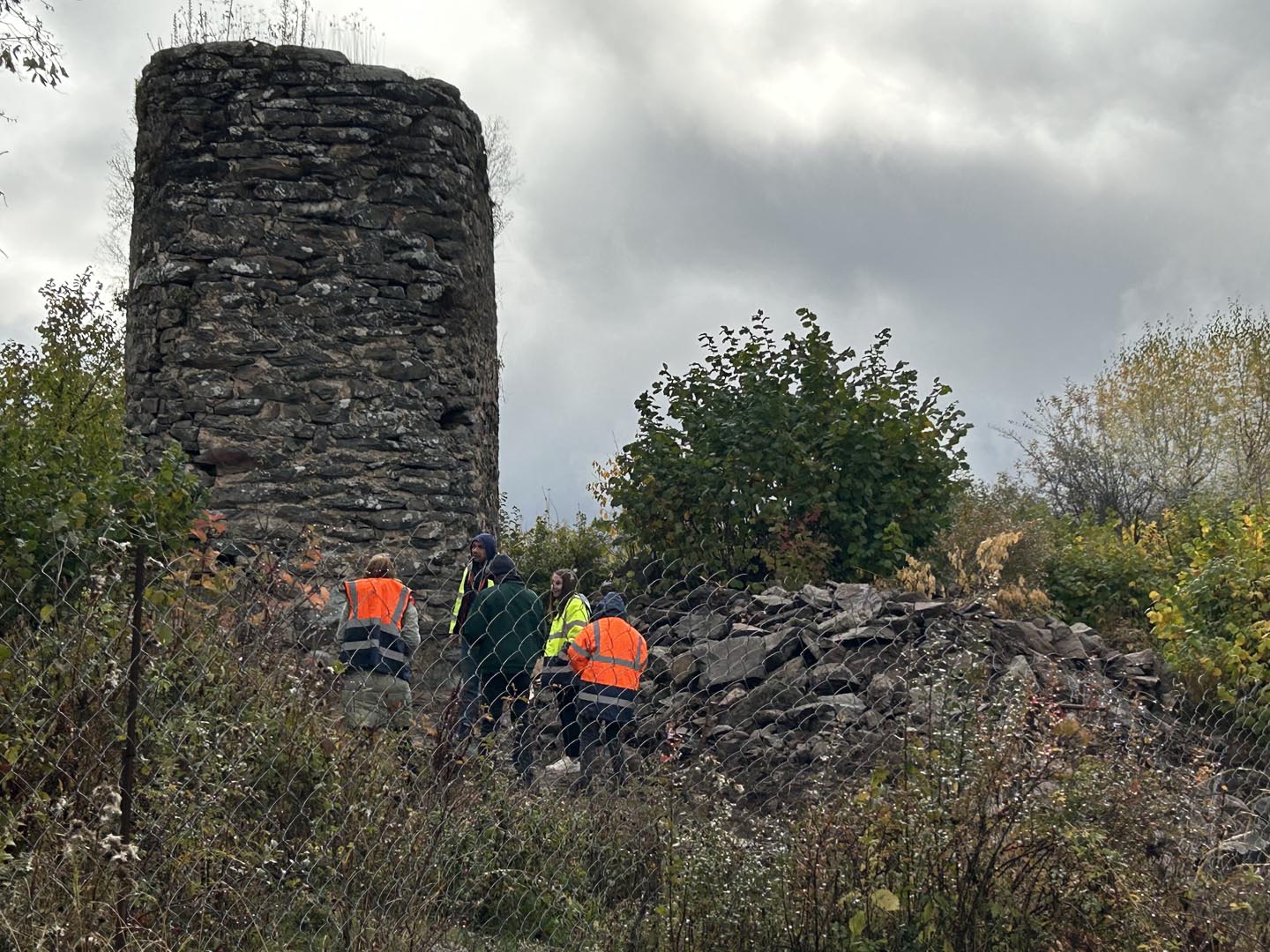
CRP mission inspecting the rehabilitation of one of the cultural heritage towers in the Khada Valley (photo by OCRP).
Status of Compliance
June 2023. CRP found that actions that were due in June 2023, which included (i) baseline assessment of PCR, (ii) income and livelihood restoration, (iii) assessment and mitigation of project-induced impacts, (iv) site- and topic-specific management plans, and (v) the National Agency for Cultural Heritage Preservation of Georgia (NACHP) reports were all complied with.1 The report titled NACHP Reports – Cultural Heritage General Action Plan covers comprehensive PCR baseline data collected by the NACHP in its two reports.2 A livelihood restoration plan was developed and disclosed and information about it was disseminated to the affected people. An IEE for the Gudauri Access Road included the assessment of the project’s induced impacts.3
The list of site- and topic-specific management plans was updated and disclosed on the project website and the plans are available upon request for review at the camp site.4
However, the CRP noted that while ADB monitoring and supervision has been substantially strengthened through the establishment of a system for tracking and resolving safeguard-related grievances, there was a need to more explicitly include and track long-standing and high-risk issues through the semiannual reports. This action was found to be in partial compliance.
Actions on (i) temporary land take by works contractors, (ii) assessment and mitigation of impacts on PCR, (iii) supervision of PCR sites, and (iv) community access to land that were due in September 2023 were found to be fully complied with. The guidelines for temporary land take, including monitoring and reporting procedures, were approved. Staff training of the two contractors was conducted, and the guidelines are to be implemented at the end of each existing lease agreement. On supervision of PCR sites, the online PCR tracking system was operational, and CRP confirmed its compliance with the SPS.
The construction of two underpasses to provide community access to land and to address economic displacement was confirmed to be ongoing during the CRP’s field visit. The two contractor’s cultural heritage management plans (CHMPs) were updated, included recommendations from the NACHP reports, and were approved by the supervision consultant.5
However, CRP noted that the effective implementation of the guidelines for temporary land take will still need to be evidenced at the end of existing lease agreements. Likewise, the appropriateness and effectiveness of the PCR tracking system, together with the implementation of the CHMPs by the contractors, will be reviewed in subsequent monitoring.
December 2023. Actions due in December 2023, which included the (i) assessment and mitigation of cultural landscape impacts; (ii) assessment and mitigation of project-induced impacts; (iii) assessment and mitigation of landscape impact; (iv) litter, waste, and community safety and security; and (v) the semiannual environmental reports due in January 2024, were all found to be on track. Based on its discussions with the Spatial Urban Planning Agency of the Ministry of Economy and Sustainable Development reviewing the concept note and draft Khada Valley Development Plan, CRP noted that the submission of the final plan could be delayed. The time-bound actions and their corresponding status of compliance are summarized here.
In addition to these findings, CRP offered the following observations and suggestions for ADB project team to consider: (i) properly plan and monitor construction practices in Zakatkari community since the road is close to the houses that are in poor condition and may be impacted by noise and vibration; (ii) explore additional methods to address air pollution during the dry season; and (iii) engage with the community on other measures to address concerns they raised relating to safety and preparedness.
The First Monitoring Report was disclosed on the ADB website on 7 December 2023 and shared with the complainants, the borrower, ADB Management, and the Board.
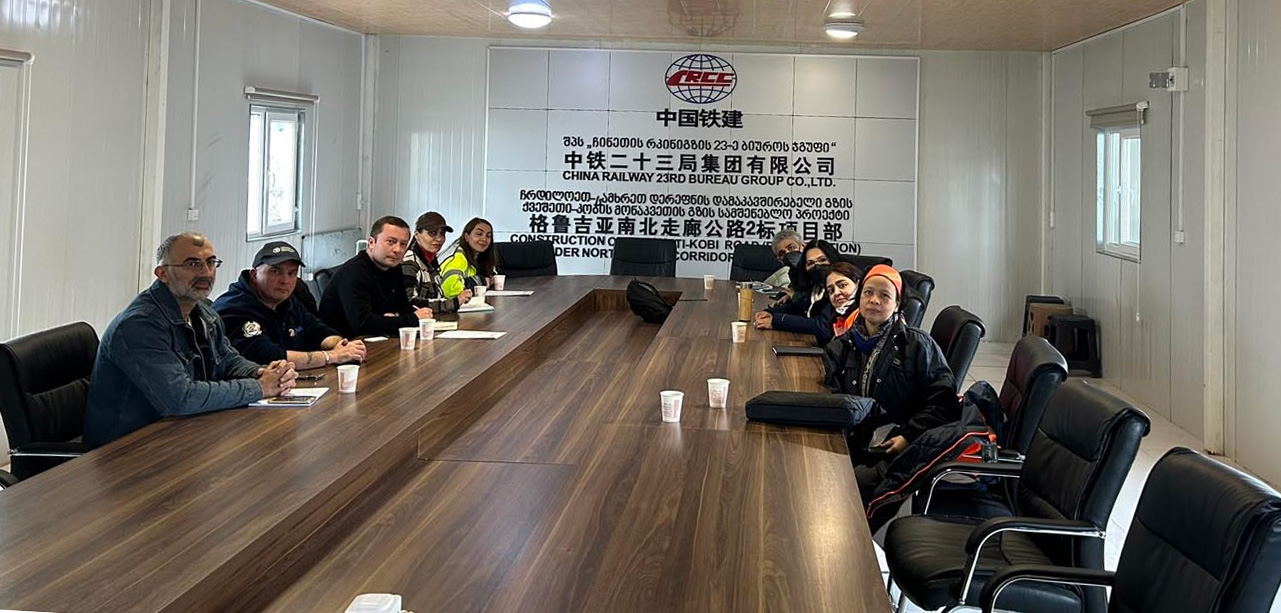
CRP team and contractors review project details on location (photo by OCRP).
1 ADB. Georgia: North–South Corridor (Kvesheti–Kobi) Road Project. Remedial Action Plan. https://lnadbg4.adb.org/dir0035p.nsf/ attachments/GEO-KK%20RAP-Board-Approved-ForPublic.pdf/$FILE/GEO-KK%20RAP-Board-Approved-ForPublic.pdf.
2 Government of Georgia. Roads Department of the Ministry of Regional Development and Infrastructure. North–South Corridor (Kvesheti- Kobi) Road Project. https://kveshetikobiroad.ge/wp-content/uploads/2023/06/NACHP-Reports-Cultural-Heritage-General-Action- Plan.pdf.
3 Government of Georgia. Roads Department of the Ministry of Regional Development and Infrastructure. North–South Corridor (Kvesheti- Kobi) Road Project. https://kveshetikobiroad.ge/wp-content/uploads/2023/06/Gudauri-Access-Road-IEE-under-the-Kvesheti-Kobi- Road-Project.pdf.
4 Government of Georgia. Roads Department of the Ministry of Regional Development and Infrastructure. North–South Corridor (Kvesheti- Kobi) Road Project. https://kveshetikobiroad.ge/wp-content/uploads/2023/06/List-of-SEMP-Topic-Specific-and-Site-Specific- Managment-Plans.pdf.
5 China Railway Tunnel Group Co. Ltd. Project: Construction of Kvesheti- Kobi Road (Tunnel Section) under North-South Corridor (Kvesheti-Kobi) Road Project. https://kveshetikobiroad.ge/wp-content/uploads/2023/10/Cultural-Heritage-Management-Plan- Updated-Sep.-2023.pdf.
Monitoring of Ineligible Complaints
Nepal: South Asia Subregional Economic Cooperation Mugling–Pokhara Highway Improvement Phase 1 Project
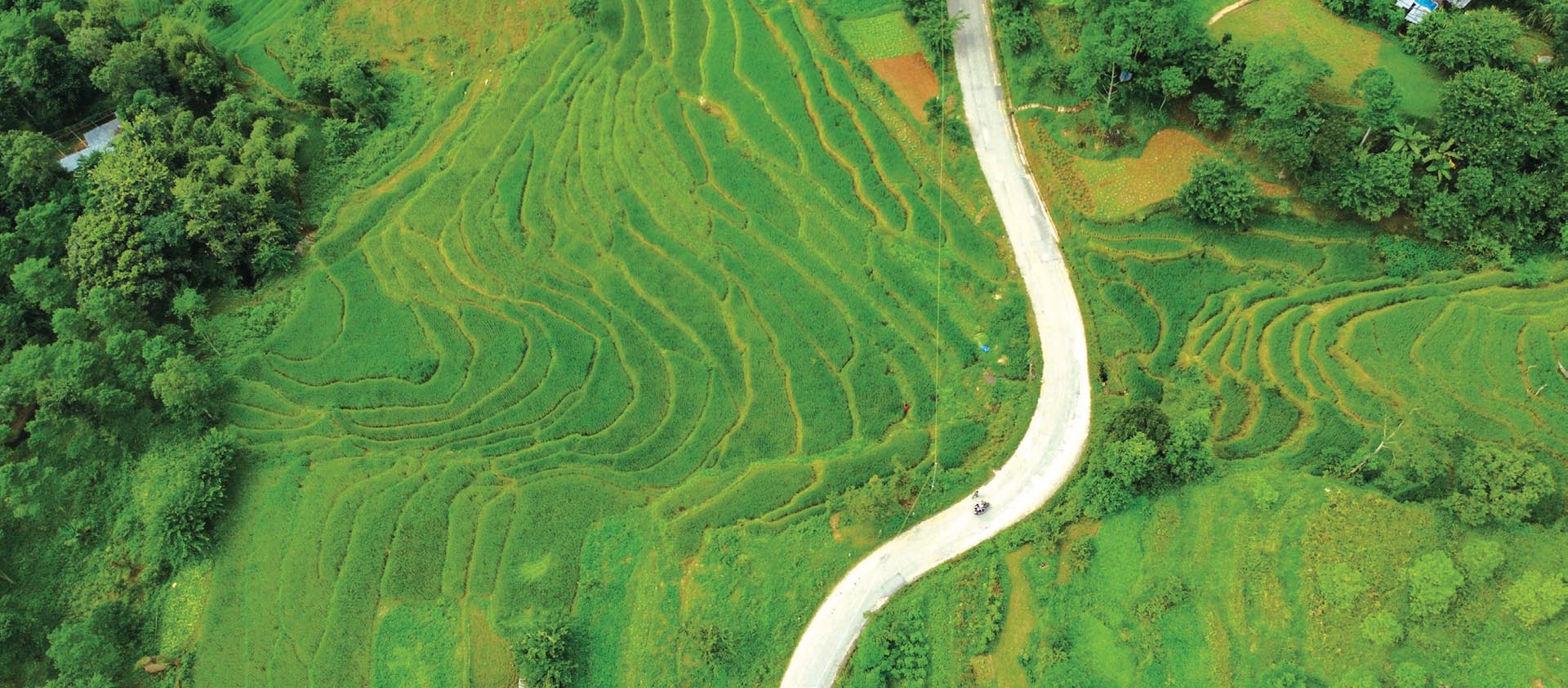
The project aims to connect many routes along the major highway, improving travel durations and impacting the profitability of commerce in the areas.
The CRP received a complaint about the Nepal: South Asia Subregional Economic Cooperation Mugling–Pokhara Highway Improvement Phase 1 Project on 9 August 2022. The project was ongoing when the complaint was received and was expected to close by 30 June 2026. It was submitted by two Pokhara residents who are also members and leaders of national and international bird conservation groups.
The complainants asserted that the IEE for the project was inadequate and flawed because it had ineffectively assessed and addressed bird diversity along the highway, resulting in the loss of a critically endangered slender-billed vulture chick and the destruction of its nest during tree cutting at a section of the road. On 6 October 2022, the CRP declared the complaint ineligible due to the complainants’ lack of good faith efforts to address their issues with ADB’s South Asia Department.
The ADB project team provided the following updates to the CRP in 2023: (i) the bird baseline study was completed, and two disclosure workshops were carried out on 14 and 16 July 2023 with concerned stakeholders (including the complainants); and (ii) the IEE, along with the bird baseline study, was disclosed in November 2023. While there are no further actions required specific to the complaint, ADB project team will continue to closely monitor the situation at the project site.
India: Rajasthan Urban Sector Development Program

The program aims to boost the water supply in five cities from 2 hours a day to 24 hours.
The CRP received a complaint about the India: Rajasthan Urban Sector Development Program on 19 August 2022, which was within 2 years of closure on 16 February 2021. Issues raised included (i) inconvenience caused by construction works carried out without respect for fundamental and human rights; (ii) lack of accountability of the implementing agency, the employer’s representative, and the contractor; (iii) damage to properties; (iv) rainwater flooding their homes due to raised street levels; (v) poor quality of restored roads; and (vi) disturbance to people’s daily life. The CRP declared the complaint ineligible on 21 October 2022 due to the complainants’ lack of good faith efforts to resolve their concerns with the South Asia Department.
ADB project team informed the CRP about the progress of resolving the issues raised by the complainants in 2023. The complainants filed their case related to the raised street levels within the court and legal proceedings are ongoing. For this reason, the government is unable to discuss the complaint or take any action until the court decision comes out.
On the other issues raised by the complainants, (i) the implementing agency is rectifying depressions in the road, manhole levels, open pits, etc. wherever identified; (ii) the Government of Rajasthan provided funds to improve the drainage system and two pumping stations were made functional before the monsoon season to pump out rainwater as an interim measure; (iii) the district administration is conducting weekly review meetings to resolve any issues; (iv) a drainage master plan will be prepared as per the advice of ADB project team; and (v) a detailed project report for stormwater drainage was prepared and the tendering process was to start. The CRP commended the project team for suggesting the long-term solution of a drainage master plan.
ADB project team informed the CRP that the complainants opted to discontinue their engagement with ADB. Those who filed their cases in court prefer to wait until the court decision is made. The main complainant, who has been acting as the affected people’s representative, expressed his satisfaction with the efforts made by ADB and stated that he does not wish to pursue the matter any further with the bank. Therefore, there will be no further updates to the CRP, but ADB project team will continue to closely monitor the situation at the project site.
India: Shapoorji Affordable Housing Project
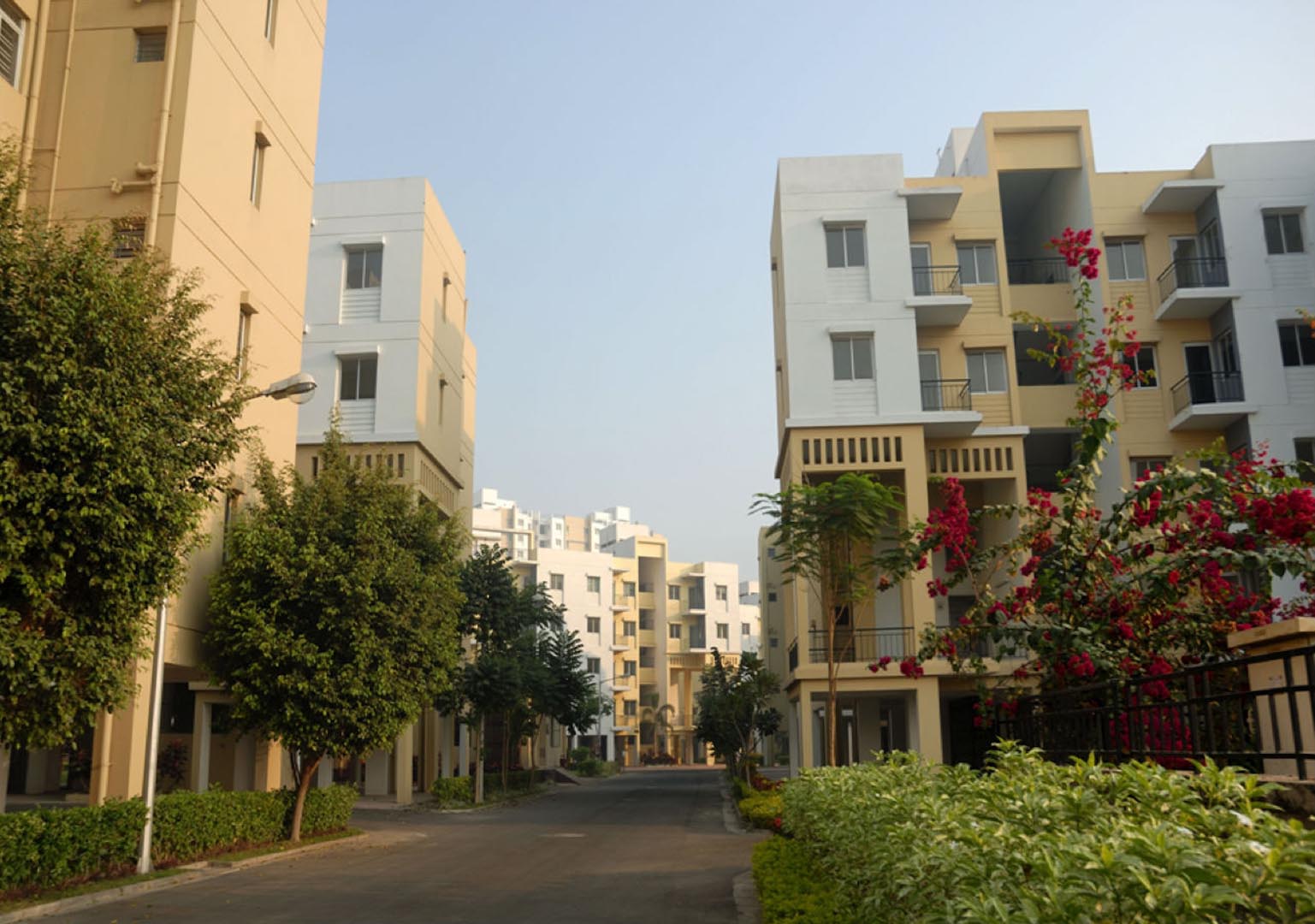
The project consists of the development of several affordable housing projects in multiple cities across India (photo by CRP).
CRP received a complaint about the India: Shapoorji Affordable Housing Project on 3 March 2022. The complainants alleged that their land was illegally sold to third parties and was subsequently included in the gross area acquired for one of the subprojects. The CRP declared the complaint ineligible on 21 June 2022 due to lack of good faith efforts by one of the two complainants (whose grievance was distinct from the first complainant) to address his issues with ADB’s Private Sector Operations Department. ADB project team informed the CRP that they are strenuously trying to resolve the issues raised by the complainants. The CRP continues its monitoring and close coordination with ADB project team.