
Joint Learning Report uses the lens of good governance to draw insights from the resolution of complaints filed with the ADB Accountability Mechanism (image design by OCRP).
Joint Learning Report uses the lens of good governance to draw insights from the resolution of complaints filed with the ADB Accountability Mechanism (image design by OCRP).
Knowledge Products
2019–2021 Joint Learning Report on the Implementation of the Accountability Mechanism Policy: Accountability Mechanism Strengthens Good Governance
Led by CRP, and in collaboration with OSPF, the Climate Change and Sustainable Development Department and the Independent Evaluation Department, the Joint Learning Report on the Implementation of the Accountability Mechanism Policy analyzed the triggers for complaints filed with the AM, considered lessons from complaint resolution, and explored recurring and emerging issues through the lens of good governance.
2022 Accountability Mechanism Annual Report
The 2022 Accountability Mechanism Annual Report: Searching for Solutions, Finding the Lessons was published in July 2023, while the microsite version of the report was published online in September 2023. The report summarized how the AM identified lessons emerging from common issues and it shared recommendations to improve future project design and implementation and strengthen the accountability of ADB’s operations. Key lessons learned include (i) the importance of comprehensive baseline data, (ii) the need to better address the concerns of vulnerable groups, (iii) the need for more effective engagement with stakeholders, (iv) the value of understanding and internalizing ADB policies and having a clear understanding of the AMP, (v) the importance of regular and prompt assessments of project implementation, and (vi) the imperative of timely and comprehensive corrective and mitigation plan preparation.
Guide to ADB Accountability Mechanism on Possible Approaches to Risks of Retaliation
Evidence indicates that around 41% of complainants requested that their identities be kept confidential, with some citing fear of retaliation.
A comparative analysis of the policies, guides, and/or processes of other similar organizations on retaliation was prepared. The analysis includes a comparison of retaliation guides and policies both for internal staff and for externally affected people. The AM has begun to upgrade and redesign the retaliation guide of the AM offices and create a toolkit to guide the two AM offices based on international good practices. The revised guide was submitted to OCRP and OSPF for review and has been shared with CSOs to get their insights to enrich the guide. The consultant engaged by OCRP has also started working with the Office of Safeguards to draft an anti-retaliation guide for discussion with ADB Management that will, together with required risk assessment and other toolkits, be adopted by the bank. Upon finalization of the guides and toolkits, training sessions will be held in 2024 for OCRP and OSPF staff, as well as staff from other relevant ADB offices, as part of ongoing efforts to have a One-ADB approach to mitigating the risk of retaliation. A video will be prepared as an awareness-raising tool on this issue.
Capacity Building
Mediation Training for ADB Staff
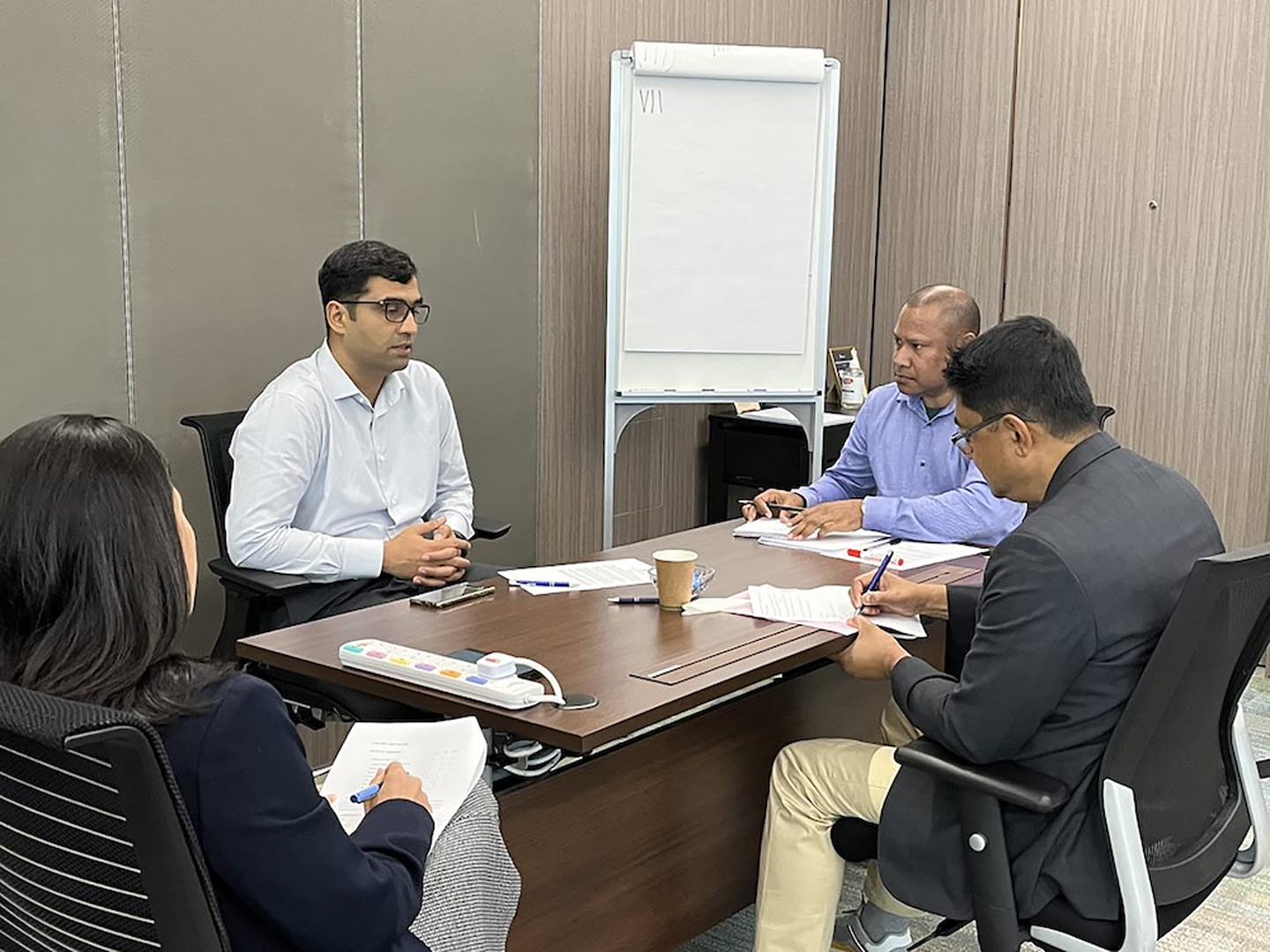
ADB staff involved in complaints handling during project implementation were given training that enhanced their ability to use their skills in ADB-assisted projects (photos by OSPF).
The OSPF and the Budget, Personnel, and Management Systems Department organized mediation training to enable ADB project teams to better resolve complaints. The training was conducted by the Singapore International Mediation Centre for 24 ADB staff from a range of departments involved in project implementation.
Read more
The objectives were to enable ADB project teams to conduct mediations and apply mediation concepts and processes that complement (i) the design of project-level GRMs, (ii) ADB operations complaint-handling processes, and (iii) OSPF’s overall problem-solving framework. Discussion focused on elements, key features, and stages of mediation; cultural considerations in mediation; and contextualizing stages of mediation. The training was tailored to ADB processes and focused on conflict management styles, power imbalance, self-awareness and internal bias, impartiality, problem-solving skills, overcoming impasse, managing multipart or multi-representative mediations, cultural awareness, and diversity and their impact on mediation. Due to high demand and excellent feedback from the 24 participants, OSPF will lead another mediation training course in 2024, if its budget allows.
Training on the Grievance Redress Mechanism for ADB-Assisted Projects in Indonesia, Papua New Guinea, and Sri Lanka
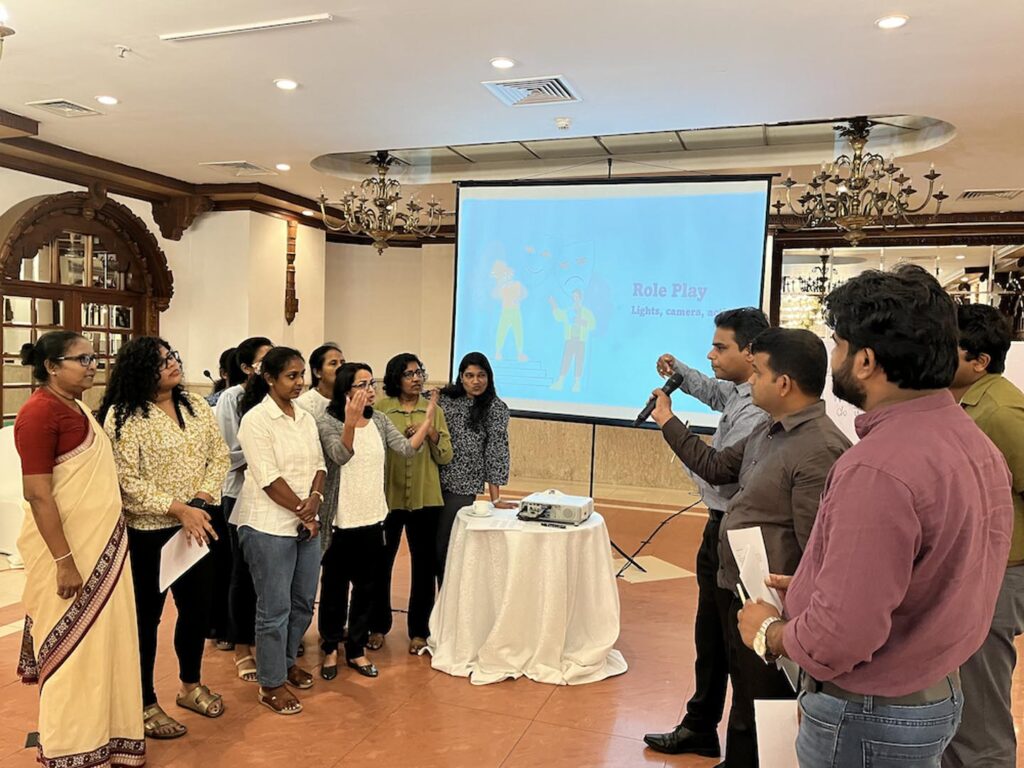
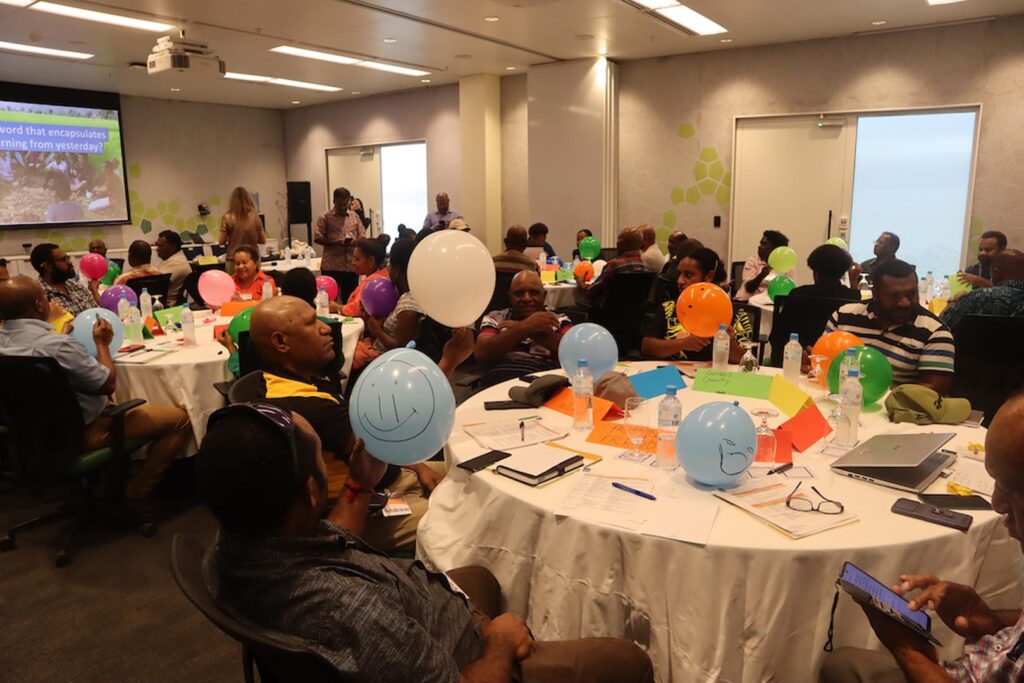
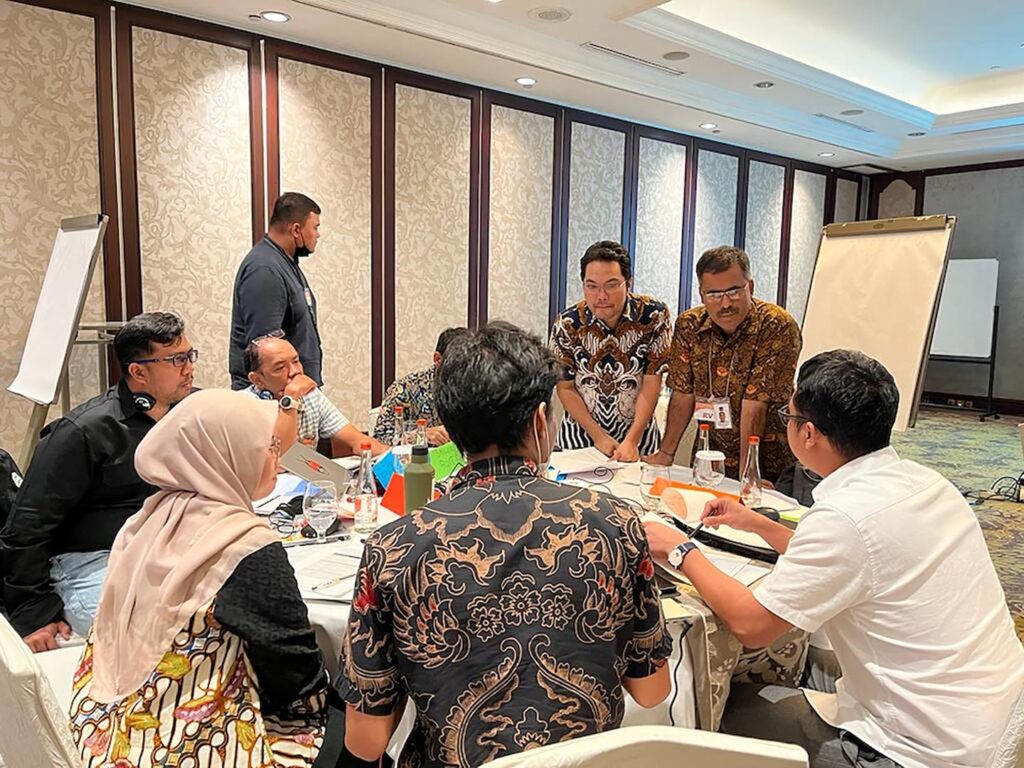
The training involved an active learning approach, incorporating group exercises, ice-breakers, and opportunities for participants to learn from each other (photos by OSPF).
With the continuing demand for training across ADB’s regions, OSPF conducted four training sessions on GRMs in Indonesia, Papua New Guinea, and Sri Lanka under OSPF’s TA 9598 Capacity Building for Grievance Redress and Dispute Resolution during Project Implementation.
Read more
Given the high number of staff who wished to join the course, participants in Indonesia were divided into two cohorts. The four training sessions were attended by 151 participants from more than 50 executing and implementing agencies of ADB-assisted projects across sectors in ADB’s developing member countries.
The aim of the GRM training and problem-solving tools are to (i) improve the function of GRM, (ii) equip project staff with communication skills and knowledge of the correct way to handle and manage grievances received from affected households and stakeholders, and (iii) improve participants’ ability to remedy problems encountered in ADB-assisted projects.
The OSPF’s goal is that capacity building will help project teams to recognize risks and emerging issues more effectively in ADB-assisted projects and will prevent an escalation of complaints that may affect project implementation.
Awareness and Learning Sessions
Mongolia
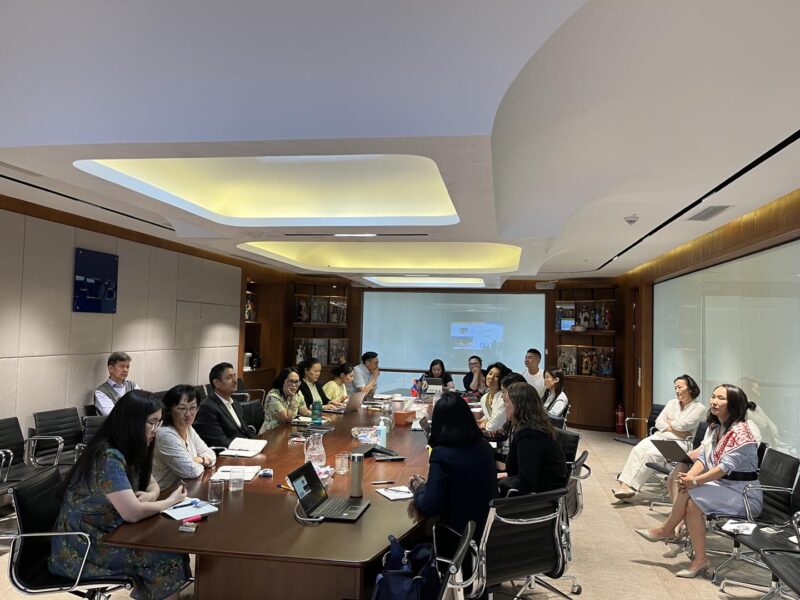
Outreach learning participants in Mongolia (photo by OCRP).
The CRP Chair conducted learning sessions on the Accountability Mechanism Policy for the executing and implementing agencies and staff of the Mongolia Resident Mission on 29 June 2023 in Ulaanbaatar.
Philippines
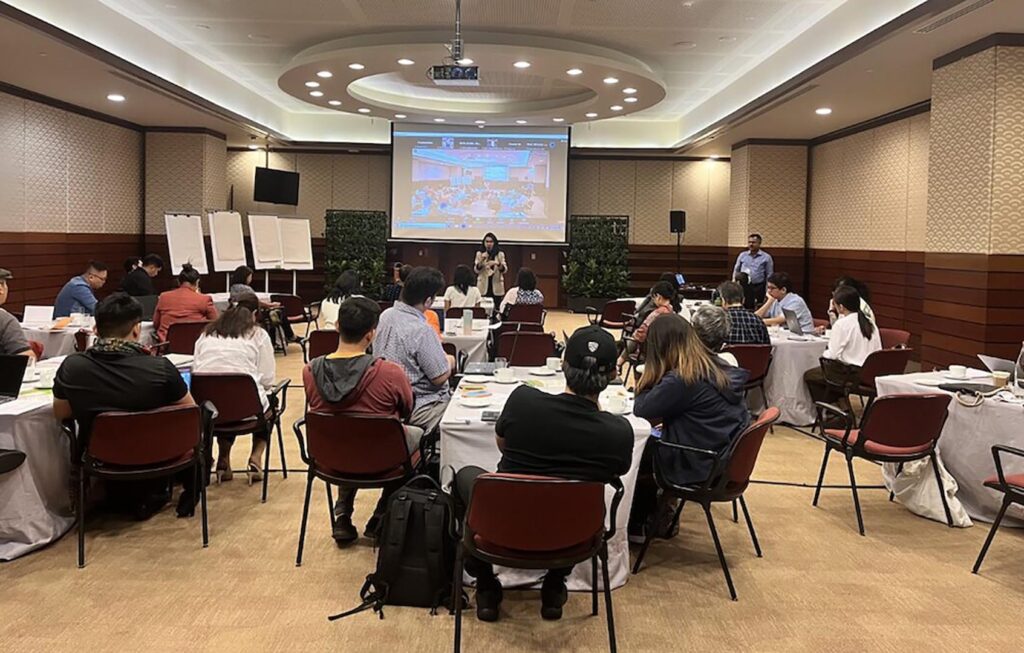

The event included interactive plenary and breakout sessions in which the Accountability Mechanism team worked closely with civil society organization partners, using hypothetical cases to discuss the technical barriers to filing complaints (photos by OSPF and OCRP).
The AM teams organized an awareness-raising and learning event for CSOs in the Philippines on 23 August 2023. The objective was to inform them about the AM and to discuss ADB’s work to redress complaints.
Read more
The event included interactive plenary and breakout sessions in which the two AM offices worked closely with the CSOs to discuss and assess technical barriers to complaint filing using hypothetical cases. A total of 36 representatives (25 in-person and 11 virtual) participated and shared the experiences and challenges they had encountered in ADB-assisted projects. A CSO that filed a complaint on behalf of affected people of the Philippines: Visayas Base Load Power Development Project (Loan No. 2612) shared their experience and highlighted the challenges they faced in accessing ADB’s AM.
Fiji and Papua New Guinea
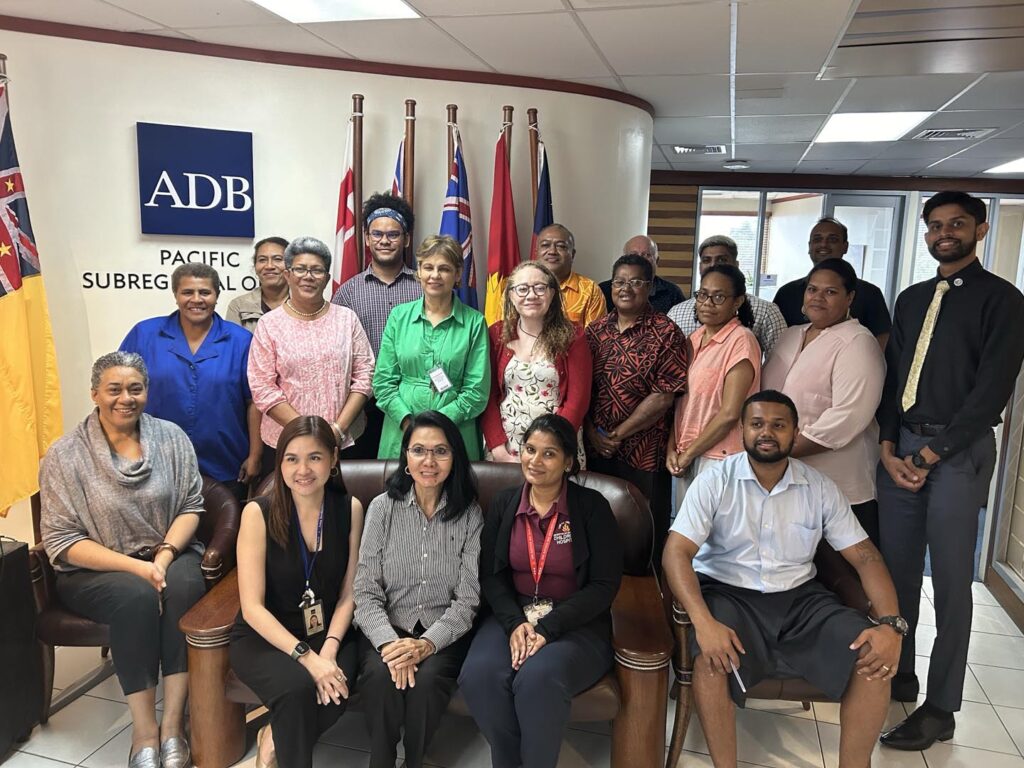
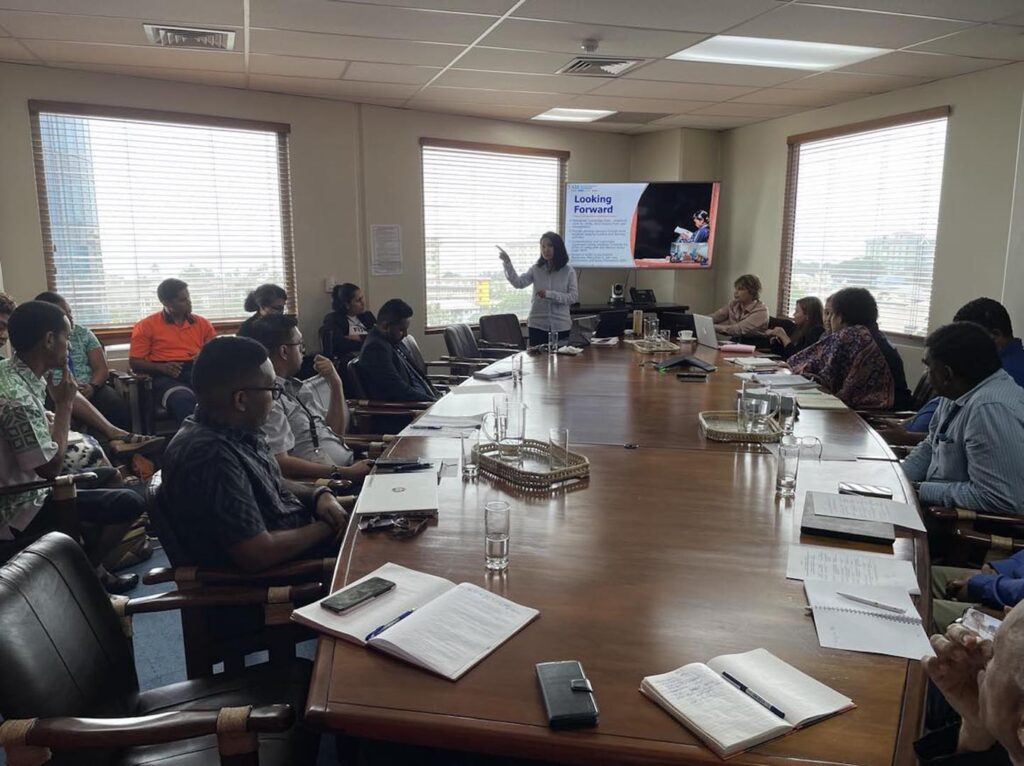
OCRP and OSPF conducted awareness-raising and learning events from 18–22 September 2023 in Suva, Fiji and Port Moresby, Papua New Guinea, and virtually from 24–25 October 2023 for Tonga, to familiarize the various stakeholders with ADB Accountability Mechanism’s mandates and functions (photos by OCRP).
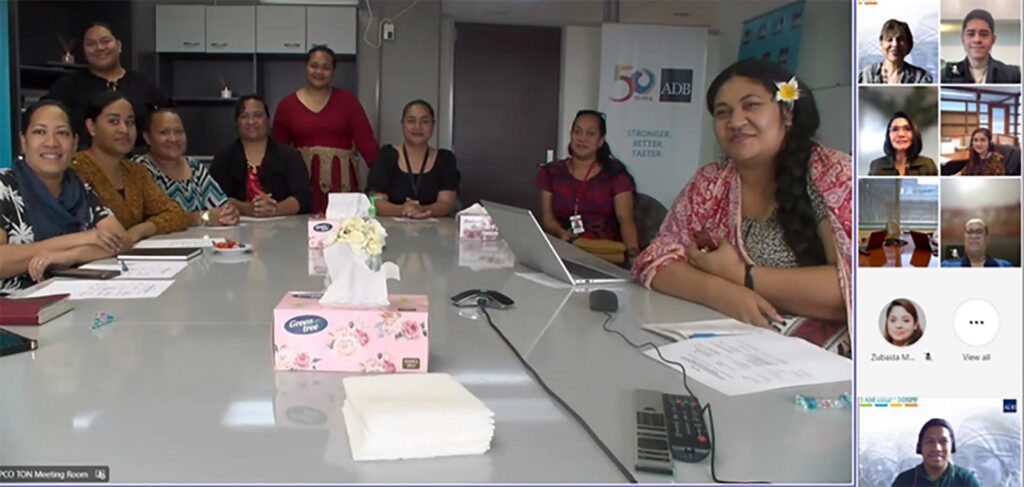
Session with CSO representatives (OSPF and OCRP photo).
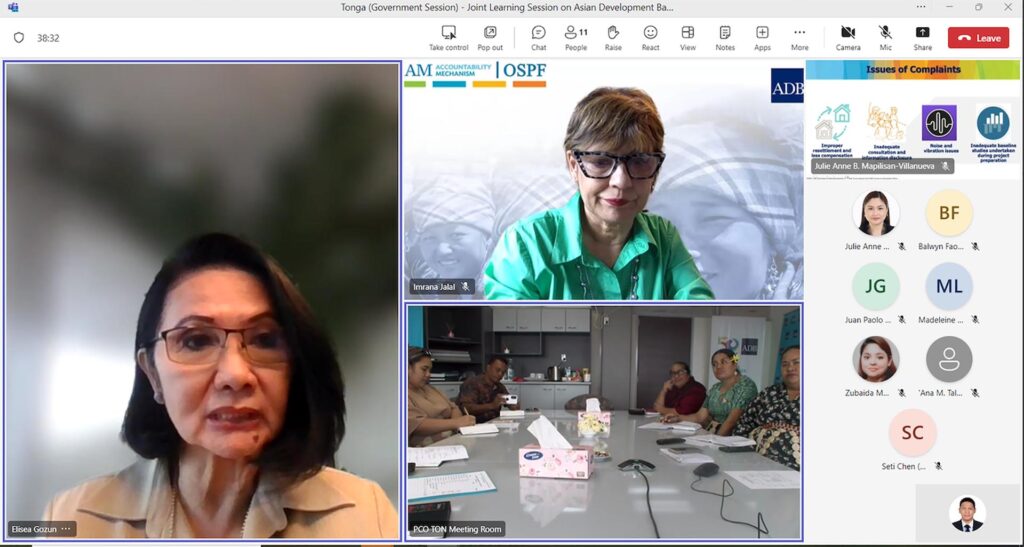
Session with staff from the executing and implementing agencies (OSPF and OCRP photo).
Similar awareness-raising and learning sessions were organized from 18–22 September 2023 in Port Moresby, Papua New Guinea and Suva, Fiji for ADB staff and executing and implementing agencies. A hybrid CSO session was held in Suva, Fiji to allow participants from the Cook Islands, Fiji, Niue, Samoa, and Tonga to participate.
A CSO session was also held in Port Moresby, Papua New Guinea. The sessions attracted over 90 participants, both in-person and virtually.
Sri Lanka
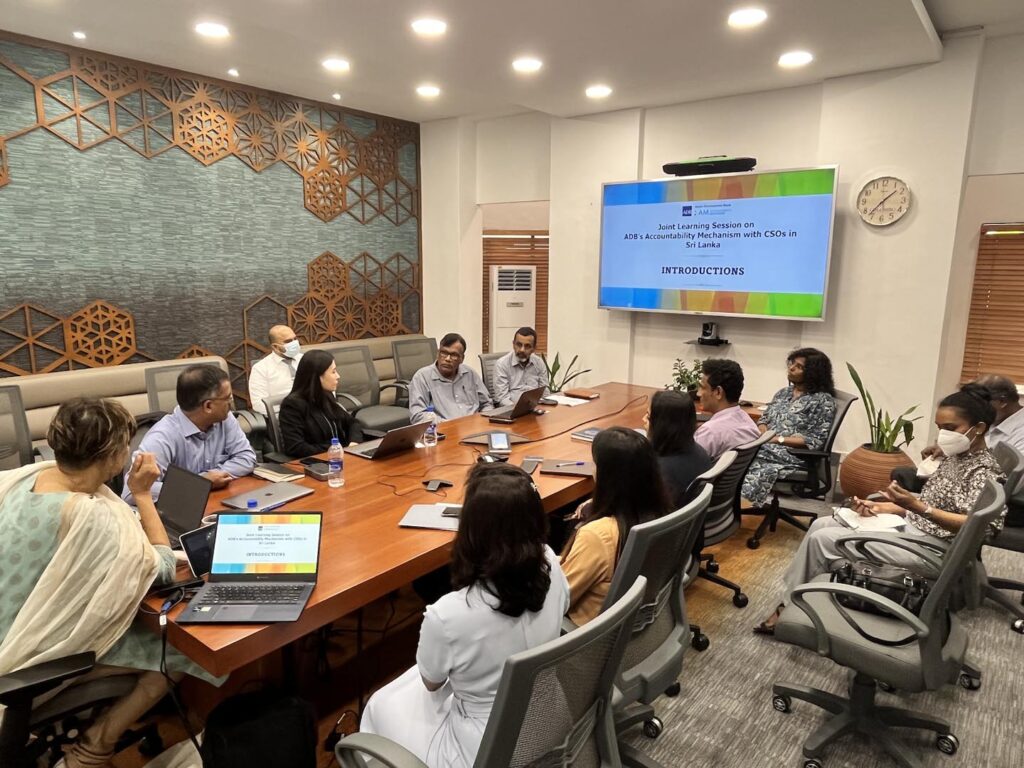
Sri Lanka civil society organizations (photo by OSPF).
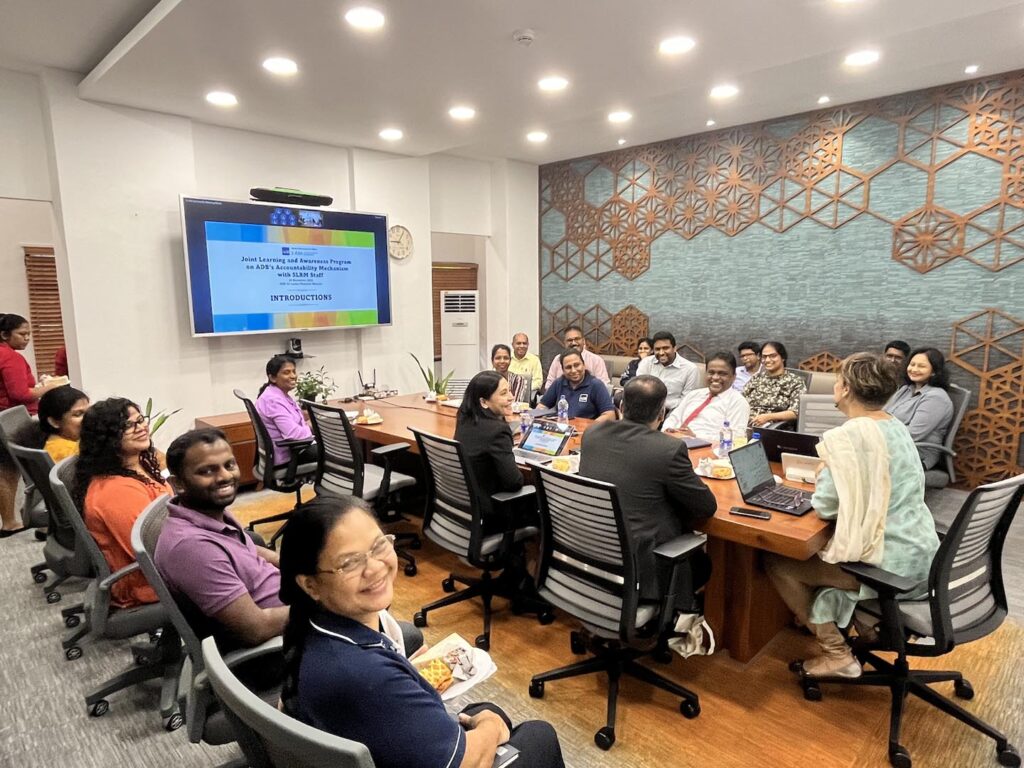
Sri Lanka resident mission staff (photo by OSPF).
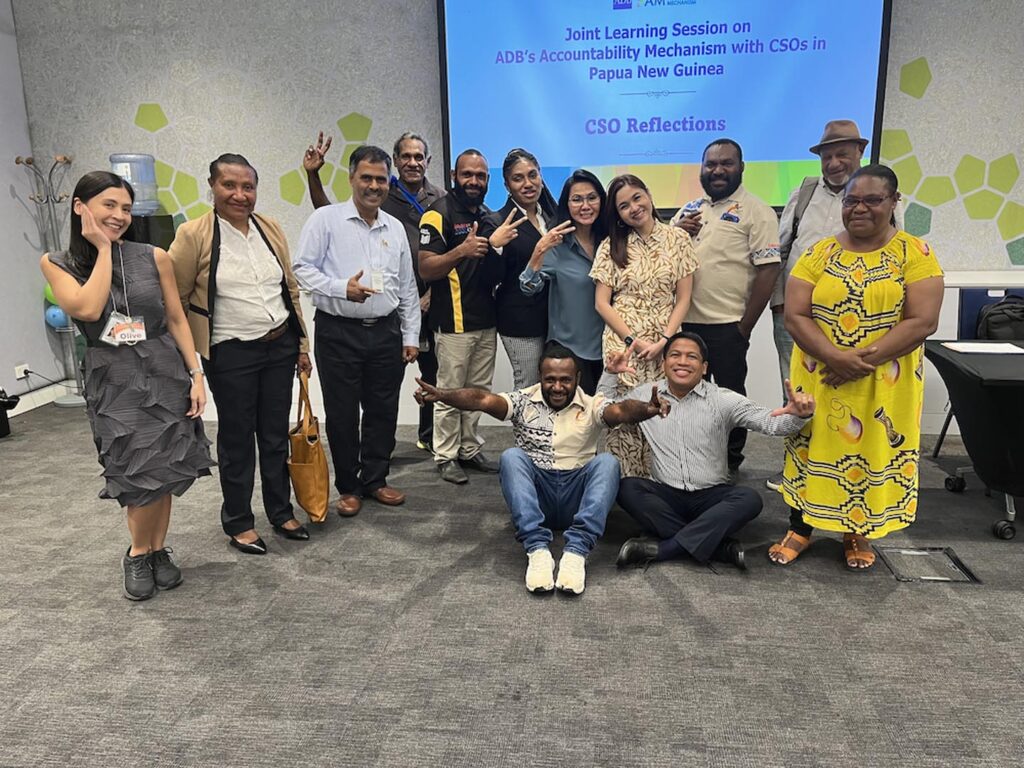
Papua New Guinea civil society organizations (photo by OSPF).
In addition to the GRM training in November 2023, OSPF held an in-person awareness-raising and learning event with ADB staff and CSOs in Colombo, Sri Lanka on 24 November 2023. Twenty staff and 13 CSO representatives joined the discussions on key project-related matters and the open dialogue fostered a deeper understanding of community needs. It also allowed for collaborative problem-solving approaches. Overall, the session in Colombo proved to be a valuable opportunity for meaningful engagement and collaboration with staff and CSOs, further enhancing the effectiveness of ADB’s AM.
External Outreach and the Participation Safeguard Policy
Independent Accountability Mechanism Network Annual Meeting
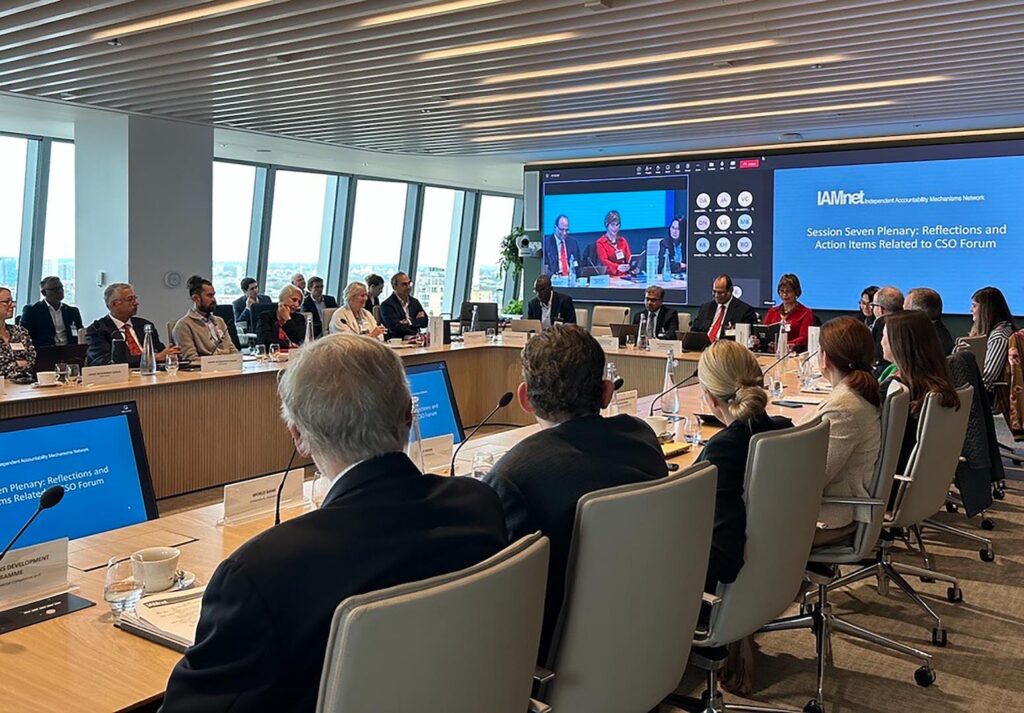
Participants at the IAMnet Annual Meetings 2023 in London during the closed-door session (photo by IAMNet).
The Independent Accountability Mechanism Network’s (IAMNet) Annual Meeting was held in London on 4–6 October 2023 and was jointly organized by the EBRD’s IPAM and the World Bank’s Inspection Panel.
Read more
Titled “Taking a Community-Centric Approach to Independent Accountability Mechanisms,” it focused on establishing a more explicit connection between the IAMNet and civil society given that civil society is at the heart of accountability efforts. The CRP Chair, the SPF, one part-time panel member and two OSPF staff attended the meeting and made presentations in some sessions. The network members approved the proposal of ADB’s AM and Green Climate Fund’s Independent Redress Mechanism to jointly organize the Annual Meeting in 2024, which will be held in ADB Headquarters, Manila.
Independent Accountability Mechanism Network Working Group
OCRP’s advisor continued to represent ADB’s AM in many of the IAMNet working groups. This ensures that emerging accountability issues and trends, good practice, and challenges relating to the AM’s work are shared. It also enhances the impact of the AM’s work and develops joint knowledge. OCRP and OSPF joined a Massive Open Outreach Seminar organized by the Outreach Working Group to conduct outreach activities with several IAMs open to CSOs around the world using social media platforms. The objective was to reach a larger audience and increase awareness about IAMs among all relevant stakeholders using massive open online seminars. Over 100 participants attended online using Zoom and YouTube.
International Association for Impact Assessment Annual Conference
The CRP Chair participated in the International Association for Impact Assessment Annual Conference in Kuching, Malaysia on 8–11 May 2023. Five different IAMs jointly organized a session on “Falling Forward: Top 5 Complaints for IFI Projects and How to Avoid Them.”1
The CRP Chair presented the issue of consultation that was raised by the affected people in 80% of the complaints assessed by the Accountability Counsel. She highlighted the requirements of ADB’s SPS; emphasized the importance of meaningful consultations and what it should entail; shared two case studies; and stressed how such complaints could be avoided.
1 The International Finance Corporation and the Multilateral Investment Guarantee Agency’s Compliance Advisor Ombudsman, the World Bank’s Inspection Panel, EBRD’s IPAM, the African Development Bank’s Independent Review Mechanism, and ADB’s CRP.
The Office of the Special Project Facilitator was tasked by Asian Development Bank (ADB) Management to lead a study into the benefits and costs of the Accountability Mechanism. This is to comply with the requirement in the Accountability Mechanism Policy 2012 that ADB Management should be familiar with these aspects of the mechanism.
The Office of the Special Project Facilitator engaged the independent experts who conducted the study. The objective of this report is to guide future policy design and implementation of the Accountability Mechanism. The study has been finalized and will be fed into the Accountability Mechanism Formal Review. Check the Accountability Mechanism Policy Review page for updates.
Discover the enhanced ADB Accountability Mechanism webpage: your comprehensive resource for understanding and engaging with ADB’s commitment to transparency, accountability, and social responsibility. Explore our streamlined interface to access information on complaints, case documents, knowledge solutions, and outcomes that empower stakeholders to participate in the complaint-management process. Stay informed, involved, and empowered with the new ADB Accountability Mechanism webpage.