Problem-Solving
Led by the Asian Development Bank’s (ADB) Special Project Facilitator (SPF), the problem-solving function assists people who are directly, materially, and adversely affected by ADB-assisted projects to find solutions to their problems. Recurrent examples of harm would be displacement, loss of livelihoods, loss of Indigenous People’s culture and traditions, loss of territorial and developmental rights, and harm to the environment and natural resources.
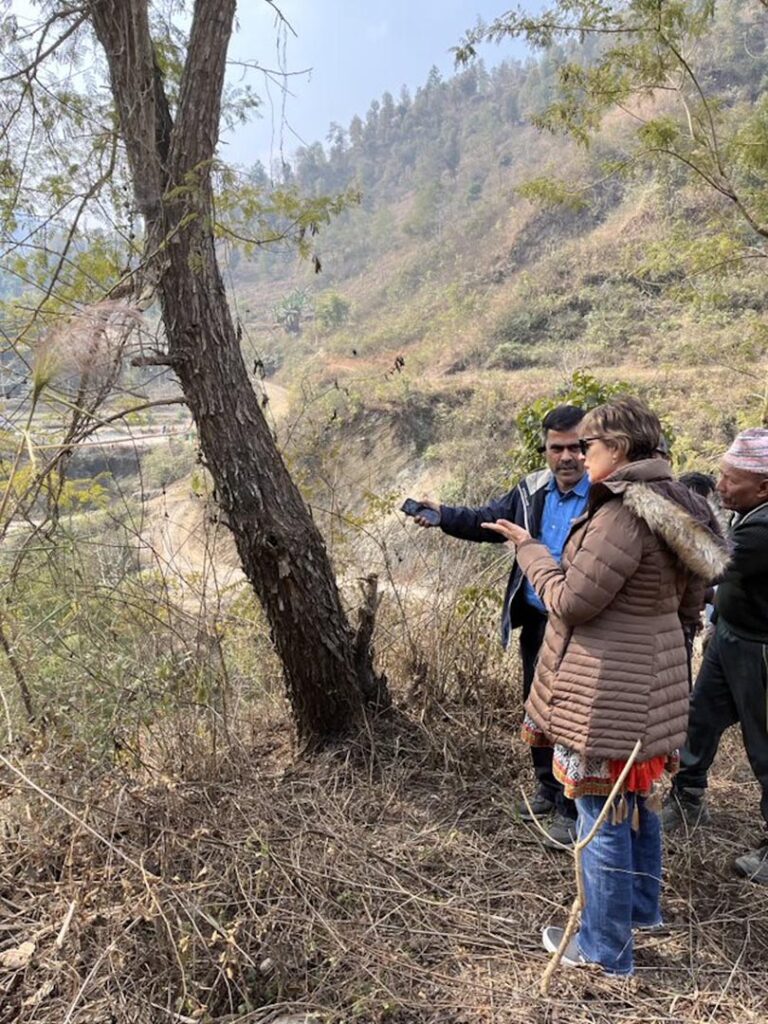
The problem-solving function is outcome driven, finding ways to address problems of project-affected people.
The problem-solving function is outcome driven, finding ways to address problems of project-affected people.
The problem-solving function starts with consideration of the eligibility of the complaint. If eligible, the focus of the grievance resolution will be on seeking agreement among all the parties involved, such as the complainant, the project implementer, the government of the developing member country or the private sector sponsor, and ADB.
The general approach of the problem-solving function includes (i) consultative dialogue, (ii) information sharing, (iii) joint fact-finding, and (iv) mediation. The problem-solving function is outcome-driven. It does not focus on the identification and allocation of blame, but on finding ways to address the problems of the project-affected people.
The OSPF offers an additional avenue for problem-solving, acting independently of ADB Management and operations departments. The SPF reports directly to ADB’s President and monitors the implementation of agreements resulting from the problem-solving process.
In 2023, OSPF received 21 complaints, of which 3 were eligible to be considered by the department and 18 were deemed ineligible.
The OSPF investigates complaints that remain unresolved following attempted resolution at the project team level. For most of the 18 complaints that were ineligible, there had not been an attempt to resolve the complaint with the project team. In these instances, OSPF refers the complaint to the project team as a first attempt to resolve the dispute.
Currently, OSPF is dealing with 11 new and ongoing eligible complaints and is overseeing and monitoring 16 ineligible complaints for dispute resolution by the project teams. In 2023, OSPF closed 4 eligible complaints and 16 ineligible complaints.
Eligible Complaints
During 2023, three complaints that OSPF had previously forwarded to the project teams came back to OSPF for resolution. The OSPF had initially referred the complaints to project teams based on a lack of good faith efforts from the project teams and complainants to resolve the issues.
The project teams were unable to resolve the complaints in a way that was satisfactory to the complainants and so OSPF deemed that the complaints were now eligible for their formal problem-solving process.
Pakistan: Punjab Intermediate Cities Improvement Investment Project
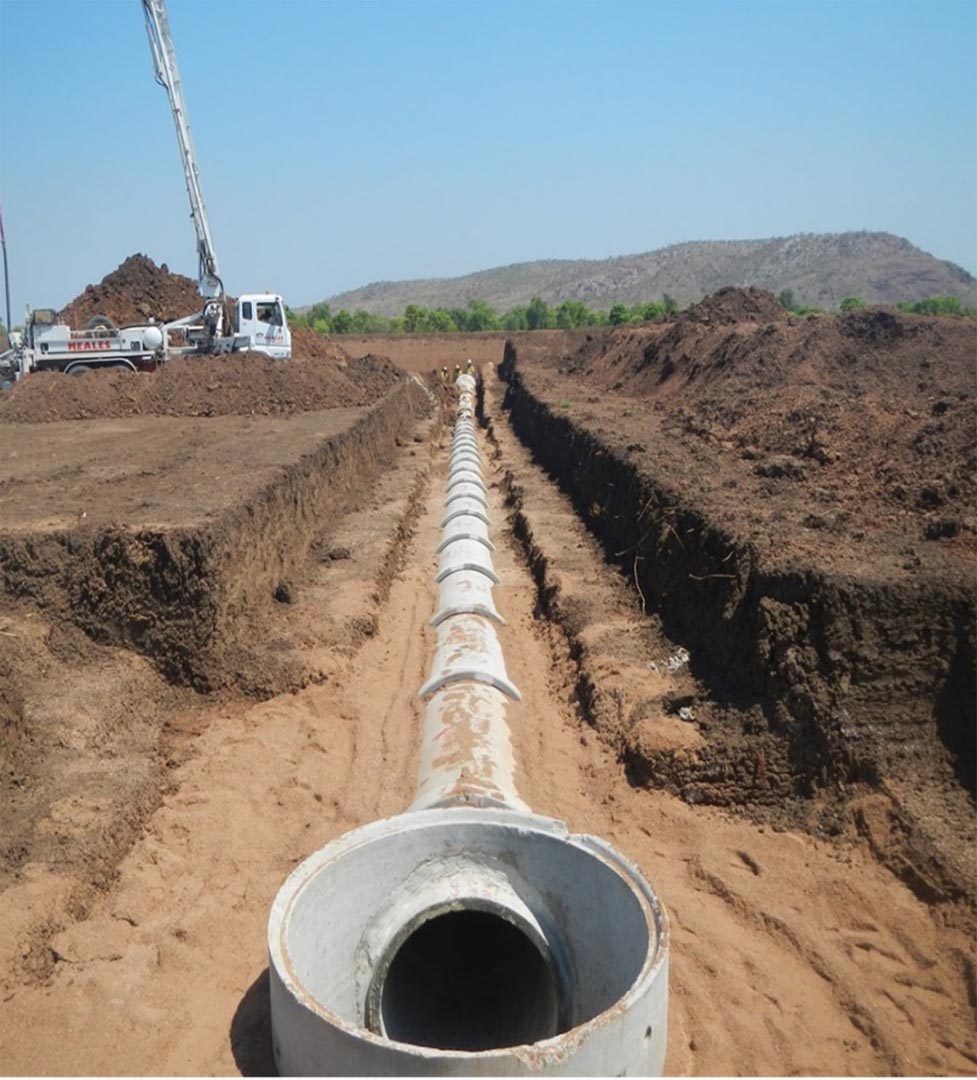
The project aims to enhance the livability and sustainability of Sahiwal and Sialkot in Punjab Province by upgrading urban infrastructure and services and strengthening operations and maintenance capacity (photos by Project Management Unit).
The OSPF received a complaint about the Pakistan: Punjab Intermediate Cities Improvement Investment Project on 26 June 2023. It came from two complainants who asserted that the compensation offered to them for land acquisition relating to the project was inadequate. The complainants had been party to an earlier complaint about the project that had been filed with OSPF and was in the review and assessment stage. Given the nature of the complaints and the planned course of action to resolve the issues, this new complaint was merged with the earlier complaint lodged for problem-solving on 17 October 2022. The consolidated complaints were determined to be eligible for the formal problem-solving process. The executing agency had made it clear that it could not increase the compensation for the complainants.
The OSPF, ADB project team, the executing agency, and the complainants worked closely and came up with an innovative solution: they revisited the project design and reduced the amount of land taken for the project. The solution created some challenges, requiring additional government approvals and creating some internal issues among the complainants. The OSPF attributes the successful finalization of a memorandum of understanding among the complainants primarily to the proactive ADB project team and the executing agency that trusted ADB project team and OSPF’s process. A review and assessment mission will be undertaken in January 2024.
Pakistan: Peshawar Sustainable Bus Rapid Transit Corridor Project
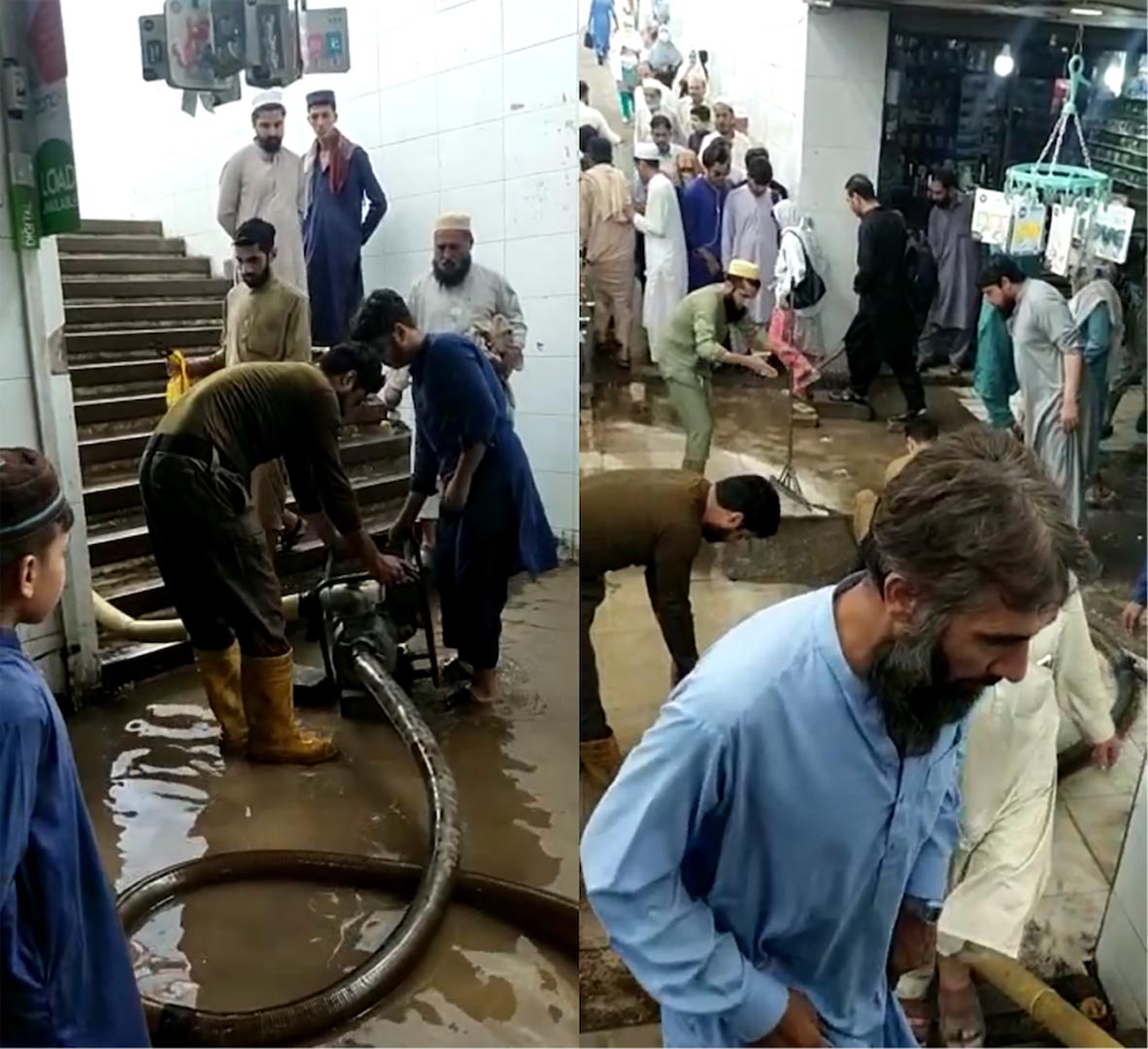
The complainants raised issues about flooding and water leakage in their shops at Gul Center, Hashtnagri and Firdoos underpasses, built as part of the project station (screenshots from videoclips shared by the complainants).
The OSPF received a complaint on 7 November 2023 from two shop owners who were affected by the Pakistan: Peshawar Sustainable Bus Rapid Transit Corridor Project. They maintained that their shops at Gul Center, Hashtnagri, and Firdos underpasses were affected by flooding and water leakage that was related to the project. They claimed this had seriously affected their income. This is the eighth complaint about this project.1 The shop owners had reached out to ADB project team in June 2022; however, they were dissatisfied with the way the project team handled the complaint and so took the complaint to OSPF.
On 23 November 2023, OSPF declared the complaint eligible for formal problem-solving. The executing agency said that they did not have sufficient funds to rectify the water leakage issue in this complaint. Through the collaboration of OSPF and ADB project team, a novel solution was proposed. It was agreed in principle that the leakage repairs outlined in this complaint could be addressed through another ADB-assisted municipal services project. This example shows how solutions can be reached if the parties explore all possible options within the bounds of ADB policies and national laws. The review and assessment mission is planned for January 2024.
1 Of the first five complaints, two were forwarded by OSPF to the Central and West Asia Department due to lack of good faith efforts to first resolve the dispute at the operational level. Both complaints were resolved successfully. Of the remaining three complaints, one was withdrawn by the complainants, and one was deemed ineligible since the complainants were not directly affected by the project. The fifth complaint was also deemed ineligible to be resolved by OSPF. There are ongoing efforts by ADB project team to resolve this complaint.
Viet Nam: Secondary Green Cities Development Project
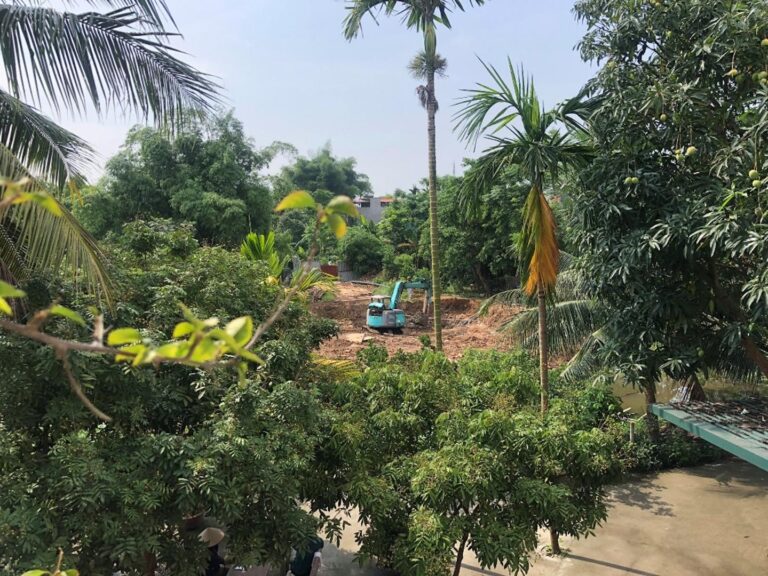
Day one of work at the project site. One of the complaints raised about the project related to the environmental impact of the construction of this wastewater pumping station (photo by complainants).
The OSPF received an initial complaint about the Viet Nam: Secondary Green Cities Development Project on 2 June 2023. A group of 18 complainants raised a grievance related to the environmental impact of the construction of a wastewater pumping station and concerns about a lack of information sharing and consultation. At the time of lodging their complaint to OSPF, the complainants had not reached out to the ADB project team involved with the project. Considering that the AM is a last resort, in July 2023, OSPF declared the complaint ineligible for formal problem-solving and forwarded it to the relevant ADB project team for dispute resolution.
On 22 November 2023, the complainants wrote back to OSPF stating that they were not satisfied with the dispute resolution at the project team level.
Thus, on 12 December 2023, OSPF declared the complaint eligible for formal problem-solving. The complainants had initially requested the location of the pumping station be moved further away from their residential area. However, during the problem-solving process, they agreed to work with OSPF, ADB project team, and the executing agency to explore project benefits that their residential area could receive. Instead of negotiating for a change in the project location, the complainants are now exploring ways in which their households can receive benefits.
The OSPF, ADB project team, and the executing agency are looking into ways to fund any proposed solution. The resolution of this complaint shows how a solution can be achieved that benefits both parties if they are willing to be flexible and base their requests on what is feasible under ADB policies and national laws. The complainants may not get everything they initially asked for, but it may be possible to find other solutions. The review and assessment mission is planned for March 2024.
Ineligible Complaints
Categorizing complaints as “ineligible” for a “lack of good faith efforts” does not mean that the complainants will not have their complaints addressed or their problems solved. Nor does it mean that the complainants cannot return to the AM after the operations department has tried but failed to solve the problem.
The AMP has a provision that states, “In determining whether the complaint is eligible, the SPF will review whether the complainants made prior good faith efforts to solve the problems with the operations department concerned. The SPF will forward the complaint to the operations department concerned if the complainants did not make such efforts.” This means that the AM cannot immediately take jurisdiction of the complaint, even if the complainants request confidentiality. It also means that whether the complaint is well founded and whether there is harm, the complainants do have an opportunity to have their problems solved through efforts made by the operations department and project team.
The form of dispute resolution adopted by the project team involves a variety of methods including separate dialogues with stakeholders (complainants and borrower) to find common ground, engagement of independent experts to provide guidance to the stakeholders and to establish a valid benchmark for negotiations and exploring ways to fund action items to resolve the complainants’ issues.
INELIGIBLE COMPLAINTS:
Resolved and Closed
Pakistan: Balochistan Water Resources Development Sector Project
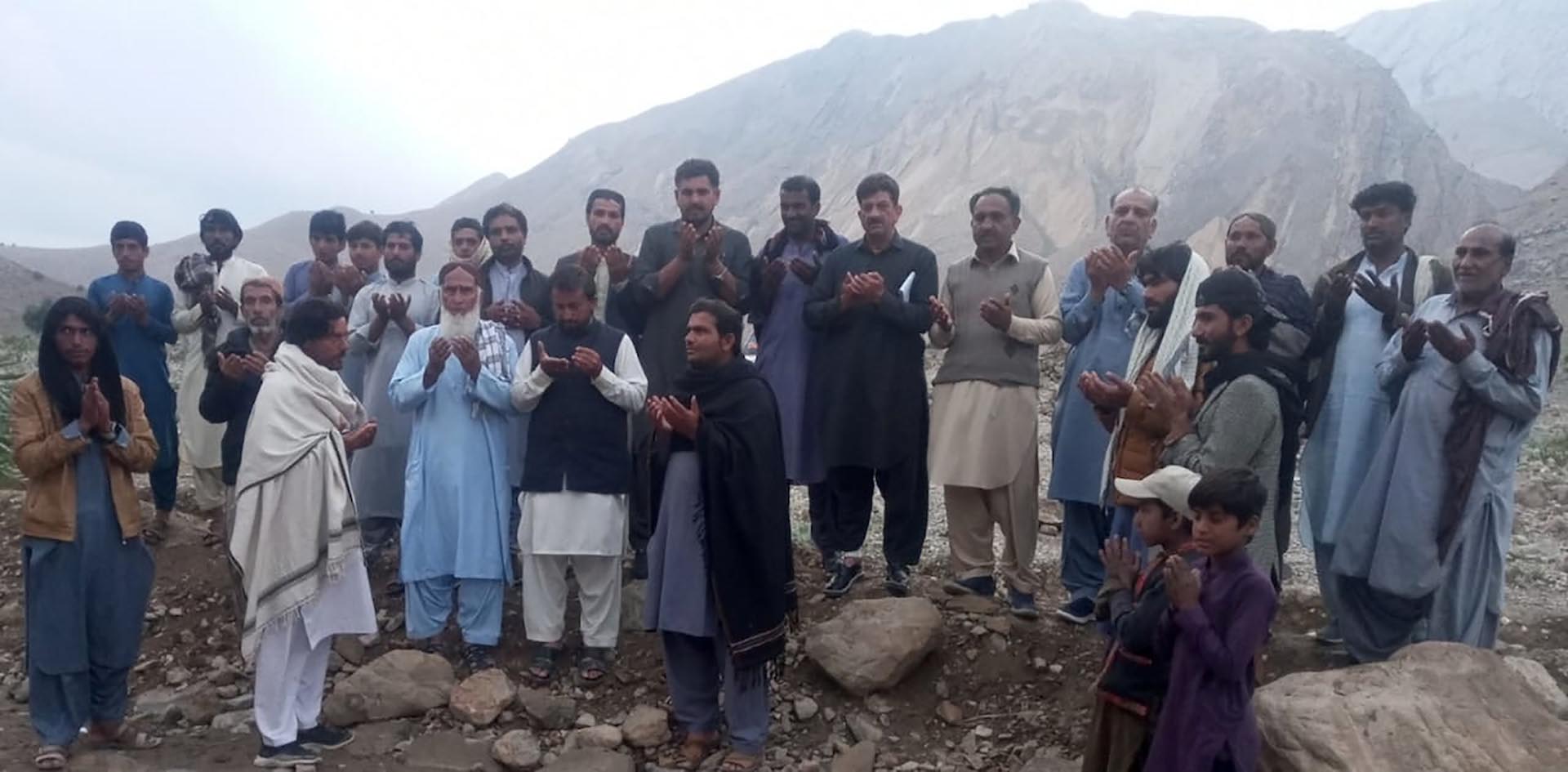
Complainants are satisfied with the resolution of their issues. Effective communication and a responsive grievance redress mechanism are crucial for keeping stakeholders and communities informed and addressing concerns promptly (photos by Project Management Unit).
The OSPF received a complaint about the Pakistan: Balochistan Water Resources Sector Project on 8 February 2023. The complainants raised issues related to livelihood improvement, community development, and lack of information disclosure and consultation. The complainants explained that while their village was initially included in project planning surveys as part of the project preparation, it was ultimately not chosen. The complainants had expected that the project would include their village and explained that they had reached out to the relevant local government authorities and ADB.
ADB operations department confirmed to OSPF that they had initiated efforts to work with the project implementing agencies and the complainants to consider the issues raised. On 3 March 2023, OSPF deemed the complaint ineligible for the formal problem-solving process and referred the project to ADB project team to resolve the complainants’ issues. ADB project team, together with the Grievance Redress Committee for the project, met with the complainants from March to May 2023 and were able to address their concerns. The complaint closing report, issued on 29 November 2023, stressed the importance of effective communication about project objectives and of maintaining an accessible GRM.
Pakistan: Federally Administered Tribal Areas Water Resources Development Project
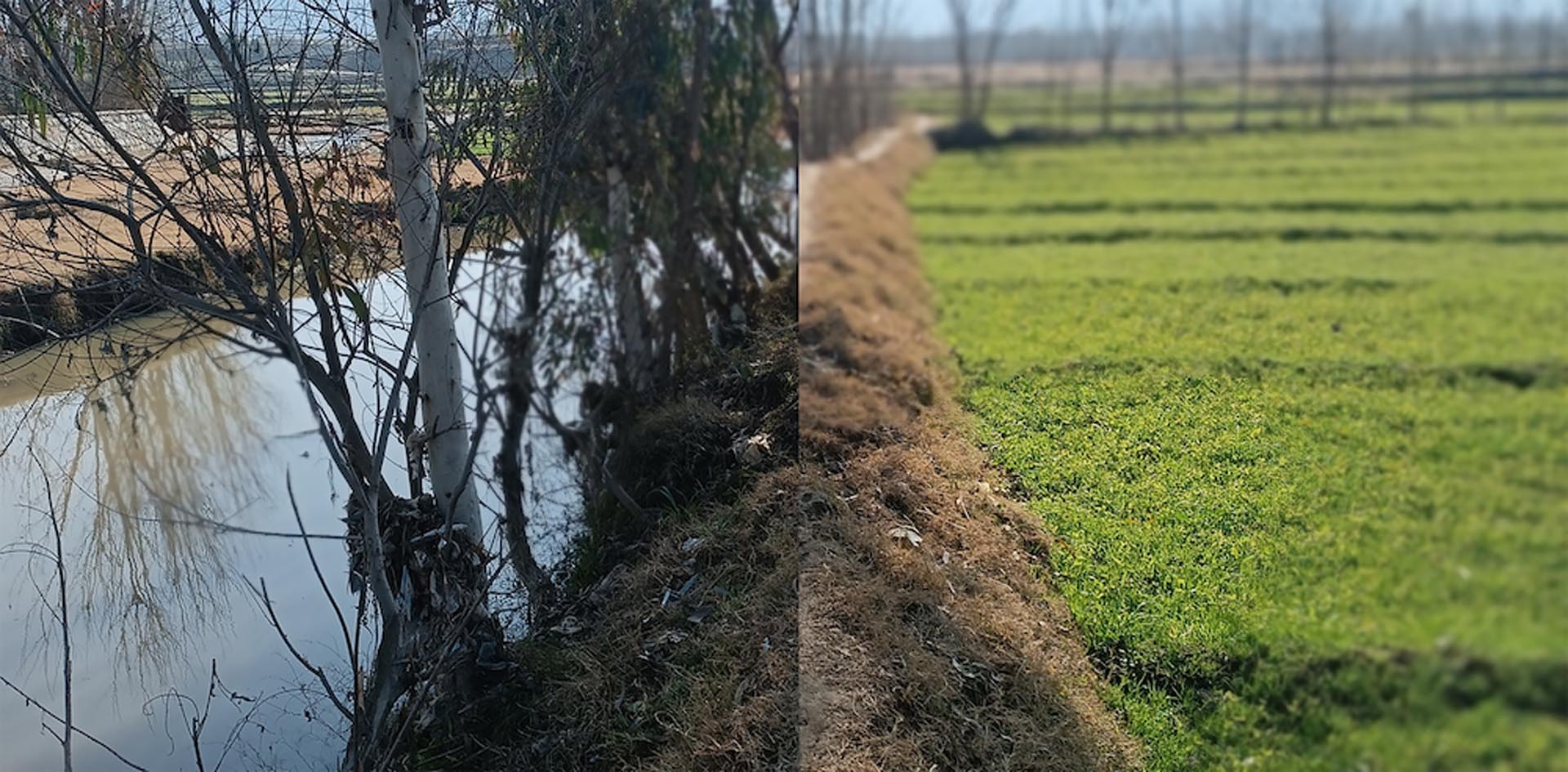
The project team addressed complaints about on-farm lined channels for irrigation, organizing meetings between complainants and authorities to resolve issues to their satisfaction, ensuring timely implementation within project deadlines (photos by complainants).
The OSPF received a complaint about the Pakistan: Federally Administered Tribal Areas Water Resources Development Project on 20 April 2023. The complainants had concerns about the environmental and social impact of ADB project team to find ways to resolve the complainants’ issues and to obtain a quick resolution. Given the sensitivities associated with the financial closure of the project, the SPF ensured that the issues were discussed and agreed upon at an early date, so that implementation of any measures could happen before the closing date. The complainants’ requests for water outlets for irrigating their land, restoration of the affected part of a protection wall, and construction of additional protection will be addressed by the relevant government agencies—the On Farm Water Management or the Soil Reclamation Offices of the Agriculture Department—through their annual development budget. The OSPF appreciates the proactive engagement of ADB project team in the resolution of this complaint.
Pakistan: Punjab Intermediate Cities Improvement Investment Project
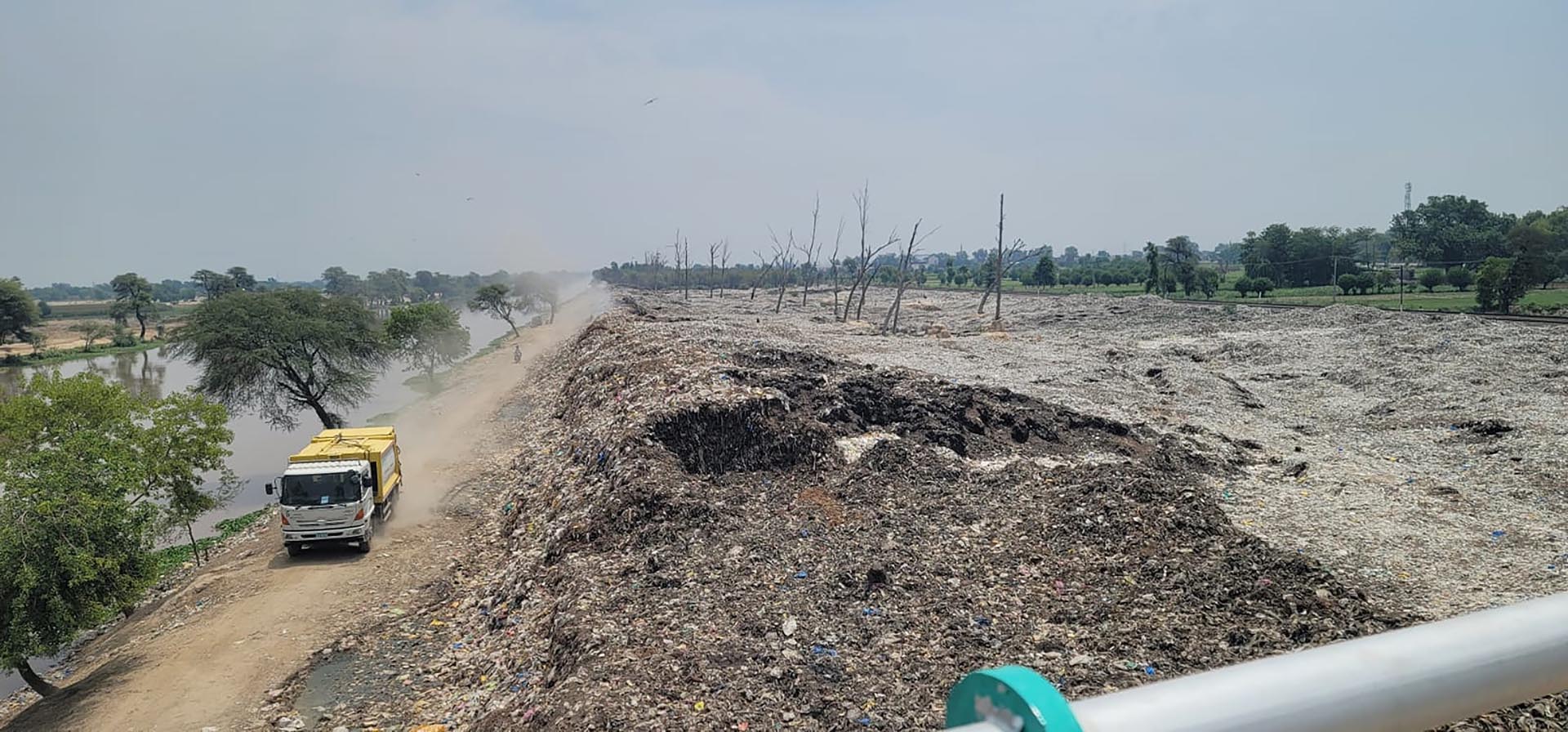
The complainants requested that the dumpsite be moved away from the populated area. The project’s executing agency coordinated the work and communicated continuously with the complainants and the District Administration to ensure the issue was resolved quickly (photo by complainants).
The OSPF received a complaint about the Pakistan: Punjab Intermediate Cities Improvement Investment Project on 6 June 2023. The complaint came from two complainants who raised issues related to the environmental and health impacts from the alleged improper disposal of solid waste adjacent to their residential area. Under this project, ADB had provided financing for solid waste management collection vehicles, including dumpers and trucks, to Sahiwal.
The complainants informed OSPF that these vehicles were being used by the municipality to dispose of waste from the city at a dumpsite very close to their residential area. Complainants explained that ADB’s financing had resulted in new vehicles being purchased, significantly increasing the amount of waste that was being transported to the site. Complainants alleged that the residents were experiencing several adverse impacts due to the improper disposal of the waste.
The impacts included foul odors, unsanitary conditions, and burning of waste, which spread disease. They said that the mental well-being of the residents had also been affected. The complainants stated that while they had reached out to the relevant local government authorities, they did not contact the ADB project team before they lodged their complaint with the AM. To give the ADB project team an opportunity to resolve the issues, OSPF deemed the complaint ineligible for the formal problem-solving process on 4 July 2023 and forwarded the complaint to the ADB project team. On 13 July 2023, the complainants wrote to OSPF stating that they were satisfied with the resolution of their issues, through ADB project team’s “implementation of an underground waste disposal system, followed by the covering of the waste with soil…” Thus, they withdrew their complaint from OSPF. The OSPF commended the proactive collaboration of ADB project team with them.
Pakistan: Peshawar Sustainable Bus Rapid Transit Corridor Project

Improvement of the pedestrian pathway is ongoing.
The OSPF received a complaint on 13 June 2023 from eight shop owners from the Firdous Underpass Market who had been affected by the Pakistan: Peshawar Sustainable Bus Rapid Transit Corridor Project. Their complaint centered around business and livelihood losses due to the project design. This is the sixth complaint about this project. The complainants explained to OSPF that their original shops, which had been demolished under ADB project, had been reconstructed in the extended portion of the underpass. They claimed that eight of the reconstructed shops were no longer income-generating, as the pathway in front of these shops was outside the normal path of the bus commuters. As a result, these shops have not been operational since the handover in 2019.
On 11 July 2023, OSPF deemed the complaint ineligible for the problem-solving process since ADB project team concerned with the project had not had the chance to work with the complainants on the issues raised in the complaint. The complaint was forwarded to the relevant ADB project team for dispute resolution. The team conducted a series of consultative meetings, both formal and informal, with the complainants to thoroughly investigate the matter and achieve a mutually agreeable resolution.
During a meeting on 7 August 2023, the complainants understood and accepted that they were not eligible for compensation, as the underpass shops had been reconstructed in consultation with their representative. Subsequently, on 31 August 2023, the complainants withdrew their complaint.
ADB project team’s key lesson learned states: “Documentation plays a crucial role in addressing such matters, with clear communication, understanding of each party’s position, and effective negotiation being key aspects that assist the resolution process.” The complaint closing report was issued on 12 October 2023.
Nepal: Urban Water Supply and Sanitation (Sector) Project
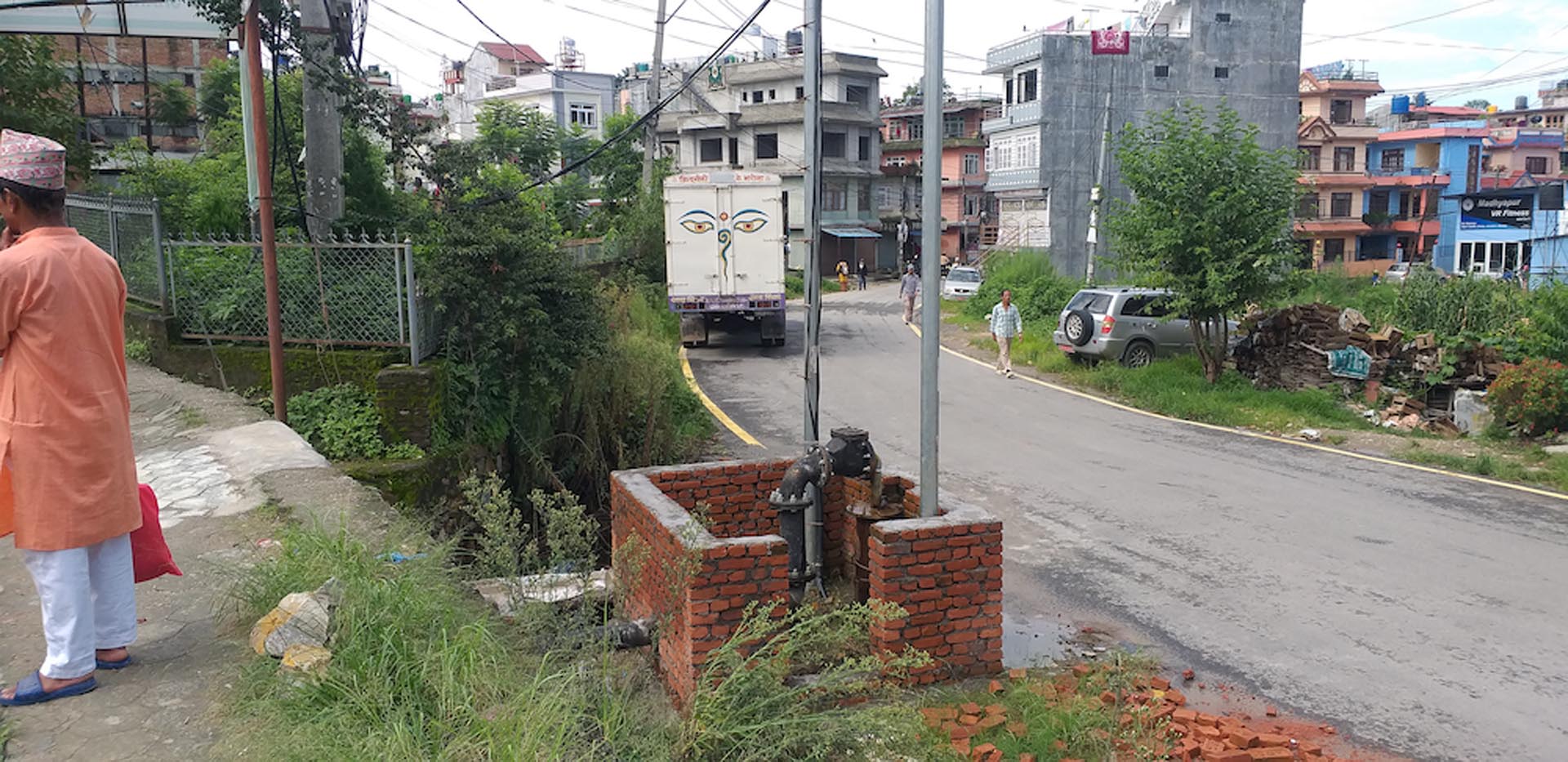
The project includes the installation of treatment units, electromechanical work, testing, and minor finishing. Upon completion, the households—including the complainants—will benefit from a continuous water supply (photo by complainants).
The OSPF received a complaint about the Nepal: Urban Water Supply and Sanitation (Sector) Project on 27 July 2023. Two complainants raised issues about the insufficient water supply to their residences. While the complainants confirmed that they had reached out to government staff, they had not raised their concerns with the relevant ADB project team.
On 24 August 2023, OSPF forwarded the complaint to the project team for dispute resolution. Within a week, the complainants informed OSPF that they had started to receive sufficient water supply. The successful resolution of this complaint demonstrates that satisfactory outcomes are more likely when OSPF maintains close monitoring and informal oversight of complaints. This is the fourth complaint in 2023 that has been swiftly resolved and closed after OSPF forwarded the complaint to ADB project teams and maintained oversight of the process, leading to a successful resolution.
Pakistan: Balochistan Water Resources Development Sector Project

Affected people met with ADB project team during the field visit.
The OSPF received a complaint about the Pakistan: Balochistan Water Resources Development Sector Project on 23 October 2023. The complainants asserted that the project had originally included the development of water channels and protective measures on their land. However, it transpired that their land had been excluded from the project.
This is the second complaint in 2023 that was based on complainants’ unmet expectations. During the meeting with OSPF, the complainants’ representative explained that while the complainants’ land is located near the river adjacent to the project site, the project-initiated development activities in locations situated as far as 8 kilometers away from the river excluded the complainants’ land. He emphasized that the complainants do not oppose the project, however, they are concerned that they have not received the benefits arising from it.
The representative also informed OSPF that the complainants had not reached out to ADB project team but were open to talk to them to try to resolve their issues. ADB project team assured OSPF that it would work with the complainants to explore ways to extend some project benefits to them, and so OSPF forwarded the complaint to it for dispute resolution. The dispute was resolved around 2 months after OSPF forwarded it to ADB project team. This resolution exemplifies the added value of OSPF’s oversight on ineligible complaints and the value of using innovative solutions to resolve problems. This was the fifth complaint filed and resolved quickly in 2023.
INELIGIBLE COMPLAINTS:
Pending Resolution with ADB Project Teams
Pakistan: Jalalpur Irrigation Project
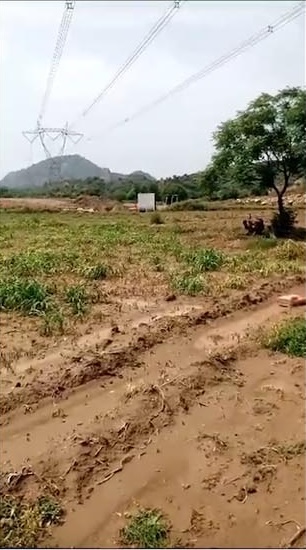
The complainants asserted that they had invested time and effort over many years to cultivate the barren land in the photograph. They were concerned that the land would be adversely affected by a flood-carrying channel that was a part of the project (photo by complainants).
The OSPF received a complaint about the Pakistan: Jalapur Irrigation Project on 20 July 2023. Two complainants raised issues about land acquisition, compensation, and consultation, making this the fifth complaint about this project. The first four complaints had been declared ineligible because of an absence of good faith efforts to resolve the dispute with ADB project team. The OSPF forwarded the complaints to be resolved by the relevant ADB project team. Three of these ineligible complaints were successfully resolved and closed, while one complaint is still being addressed by ADB project team.
One of the complainants alleged that (i) due to the change in the alignment of the canal to accommodate another landowner who had also complained about this project, the impact had shifted to his and other complainants’ lands; (ii) the design only suited the real estate and business interests of certain individuals; (iii) the construction activities started without adequate consultation and compensation payments; and (iv) some titled lands had been occupied and used by the project without payment of compensation.
While the complainants confirmed that they had reached out to various government offices and personnel, they said that they had not raised their concerns with the ADB project team. Thus, on 15 August 2023, OSPF found the complaint to be ineligible for the formal problem-solving process and forwarded it to the relevant ADB project team for dispute resolution.
Pakistan: Khyber Pakhtunkhwa Cities Improvement Project
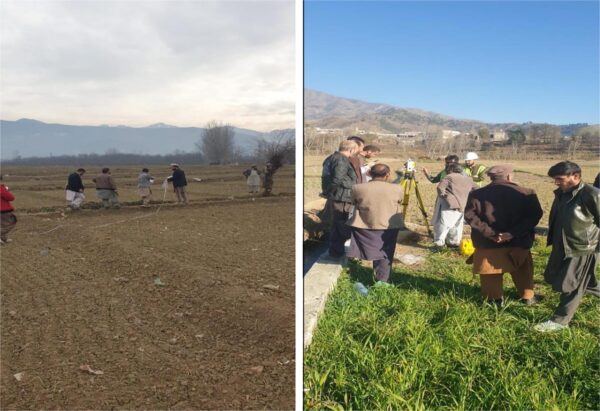
Field site visits and surveys formed part of the project’s monitoring activities (photo by Project Management Unit).
The OSPF received a complaint about the Pakistan: Khyber Pakhtunkhwa Cities Improvement Project on 27 July 2023. Two complainants raised issues related to land acquisition, consultation, information disclosure, and financial losses related to the construction of a tube well and an overhead tank that were part of the project. The complainants explained that the project’s construction activities encroached on their private land without any prior consultation or offer of compensation.
While the complainants confirmed that they had reached out to various government offices, they had not raised their concerns with ADB project team. To give the project team a chance to work with the complainants, OSPF forwarded the complaint to it on 25 August 2023. ADB project team assured OSPF that it would engage with the complainants and seek a resolution to the problems.
India: Karnataka State Highways Improvement III Project
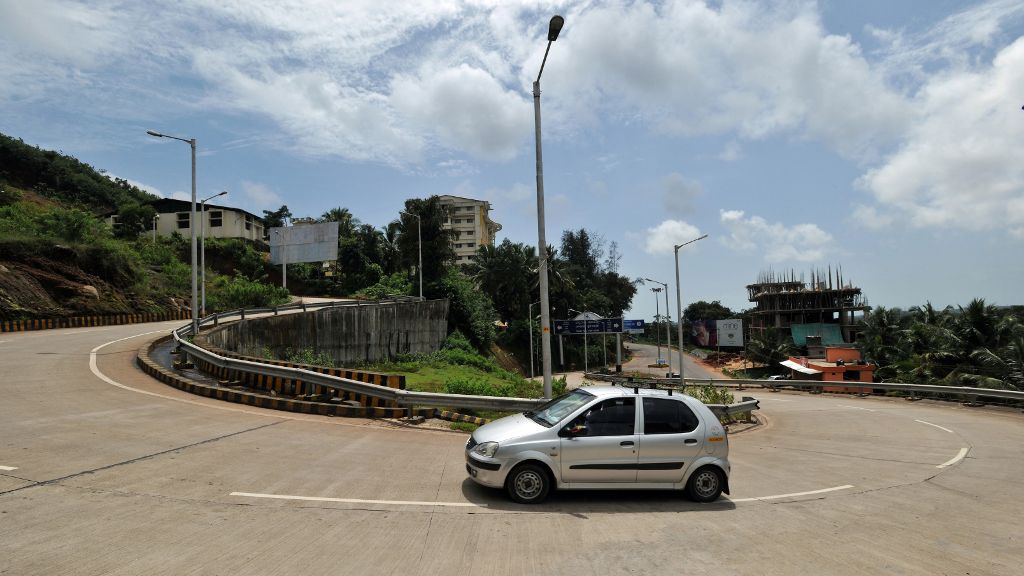
The project will help improve road capacity and maintenance, promote safe roads, and increase access to markets and basic services (photo by ADB).
The OSPF received a complaint about the India: Karnataka State Highways Improvement III Project on 2 August 2023. Two complainants raised issues related to land acquisition and the compensation computation offered by the state government that included (i) the omission of the mango trees from the inventory of losses, (ii) the incorrect classification of their land as urban rather than rural, and (iii) the compensation calculation that did not accurately reflect the current market value. This is the third complaint from the same complainants on this project that has been lodged for problem-solving. The first two complaints, filed on 19 February 2019 and on 12 October 2020, were deemed ineligible for formal problem-solving due to the lack of good faith efforts to resolve the issues with ADB project team. Both complaints were closed successfully at the project level on 28 May 2021 and 30 March 2021, respectively.
In the latest instance, the complainants had raised new issues but had not reached out to ADB project team. Thus, on 29 August 2023, OSPF forwarded the complaint to ADB project team so it could engage directly with the complainants to try to resolve the issues that they had raised.
Sri Lanka: Greater Colombo Water and Wastewater Management Improvement Investment Program (Tranche 2)
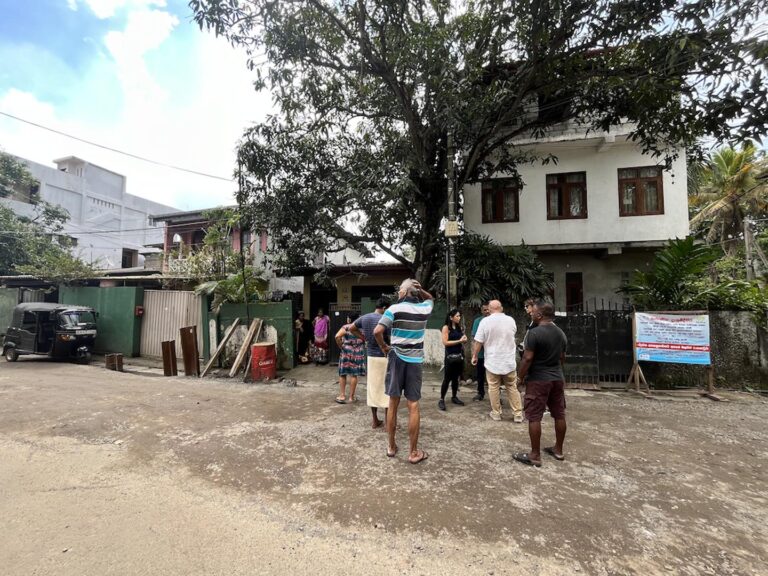
The OSPF team visited the project site, including the residential area and other parts of the neighborhood, in November 2023 and had an opportunity to interact with some complainants on the issues raised in the complaint (photos by OSPF).
The OSPF received a complaint about the Sri Lanka: Greater Colombo Water and Wastewater Management Improvement Investment Program (Tranche 2) on 13 September 2023. The complainants raised issues about flooding and damage to roads and private properties because of the construction of a water pipeline that was part of the project. The complainants explained that (i) the construction of the water pipeline with large diameter pipes had been done in a narrow road within a residential area, causing significant impact to the road users and adjoining residents; (ii) the road, which was well-maintained and easy to drive on prior to the start of construction, had become difficult to navigate, with the rains adding to the difficulties that the residents already faced when going in and out of their homes for work and other activities; (iii) their area is vulnerable to drainage issues and flooding during the rainy season, and this had worsened due to the disposal of soil and construction waste; and (iv) while the construction activities had stopped due to the heavy rains, the temporary measures implemented by the project contractor to restore the road surface had actually worsened the situation.
The complainants had not reached out to the relevant ADB project team. To give ADB project team an opportunity to explore ways to resolve the issues of the complainants, OSPF forwarded the complaint to it on 11 October 2023 for dispute resolution.
Pakistan: Jalalpur Irrigation Project
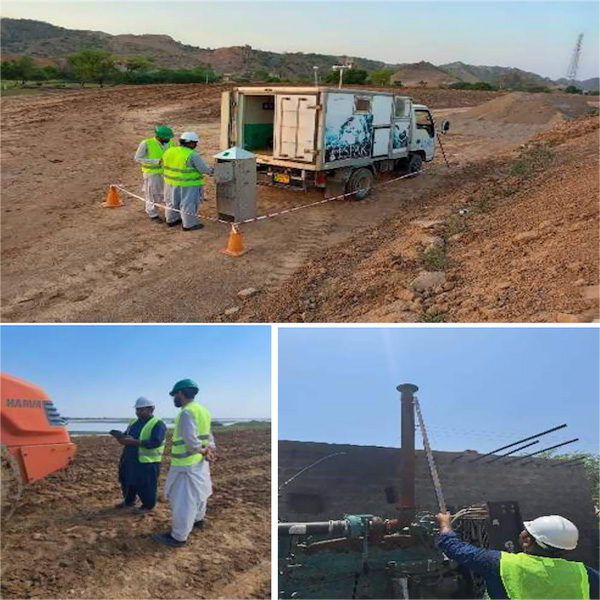
Environmental inspections and site visits were conducted as part of the internal environmental monitoring in January-June 2023 (photos by Project Management Office).
The OSPF received a complaint about the Pakistan: Jalapur Irrigation Project on 2 November 2023. The complainants’ grievance related to land acquisition and compensation that was due to them because of the alignment of a flood carrier channel that was part of the project. They expressed concern that the alignment of the channel deviated significantly from the initial design. They requested the project authorities to realign the flood carrier channel along the natural water flow to reduce its length and minimize land acquisition. The complainants said that they were still open to dialogue with ADB project team to try to resolve their issues.
ADB project team assured OSPF of its commitment to engage with the complainants to try to resolve the complaint. Thus, on 1 December 2023, OSPF forwarded the complaint to it for dispute resolution.
India: Imphal Ring Road Project
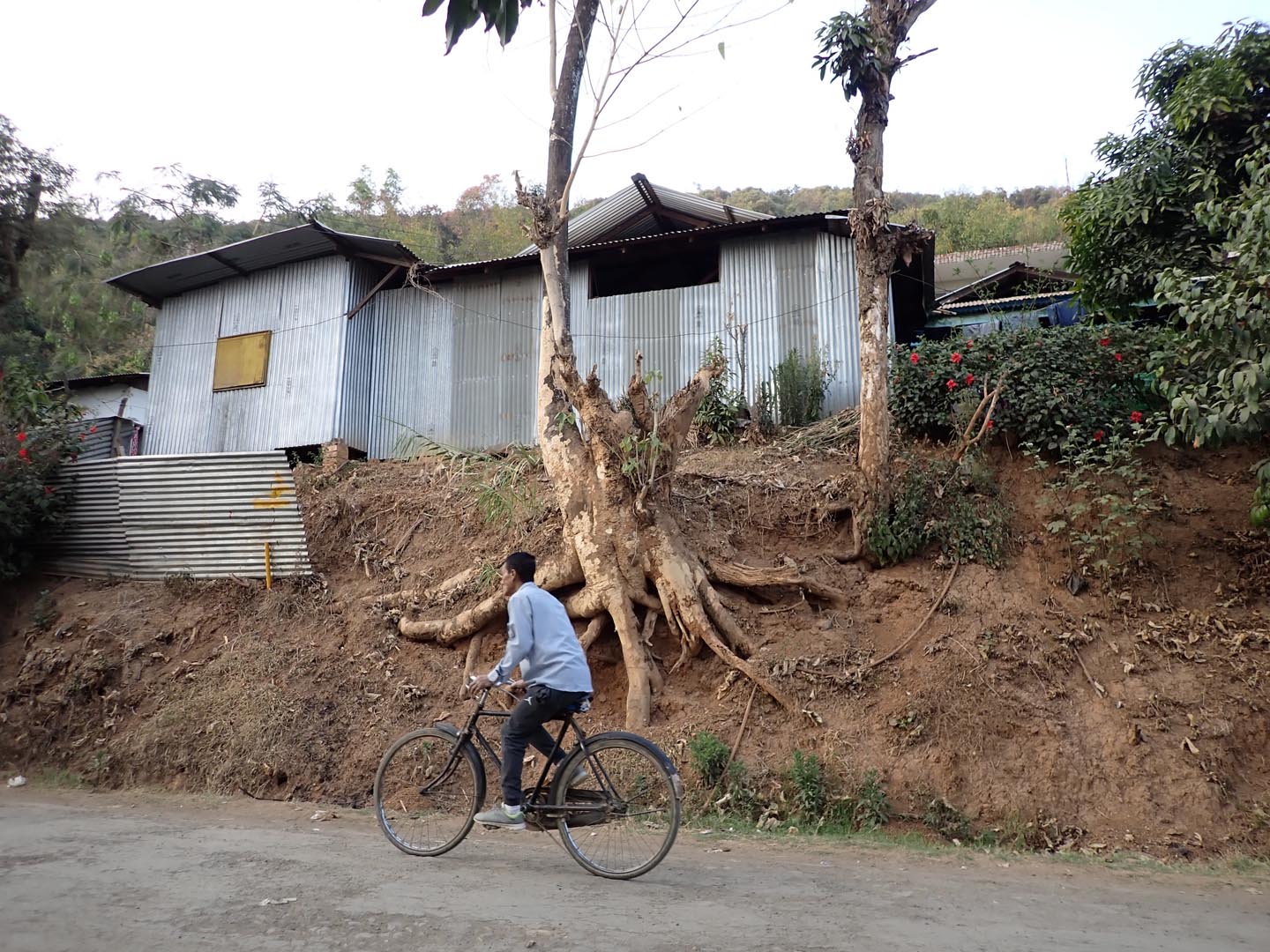
While the project remains at the “proposal” stage, efforts have been made by the relevant ADB operations department to establish a grievance redress mechanism to address the communities’ concerns about the project.
The OSPF received a complaint about the proposed India: Imphal Ring Road Project on 13 November 2023. This project is currently under preparation and expected to be approved by the ADB Board in 2024. The complainants, who identified themselves as Indigenous People, raised issues related to consultation, land acquisition, and compensation. While the project team initially received the complaint in December 2021, the prevailing security situation in Manipur has posed constraints to the project team’s engagement with the complainants. The project team assured OSPF of its commitment to engage with the complainants to try to resolve the complaint. There are reputational risks to ADB if the complaints received by the project implementing agency and ADB resident mission are not satisfactorily addressed at the time of ADB’s approval of the project. The OSPF has therefore advised ADB project team to provide them with a detailed update prior to the approval of the project by ADB Management, explaining the actions taken to address the issues raised in the complaint.
Pakistan: Emergency Flood Assistance Project

The emergency project aimed to support Pakistan’s post-flood recovery by restoring irrigation and drainage structures, improving livelihoods, and enhancing flood risk management.
The OSPF received a complaint about the Pakistan: Emergency Flood Assistance Project on 29 November 2023. The complainants’ concern related to the exclusion of their district from the ADB-assisted project to support flood-affected areas. The complainants explained that their region had been severely affected by catastrophic floods that had also devastated their livestock and orchards. They said that they had not received any assistance to date. This is the third complaint in 2023 about unmet expectations. The complainants said that they were willing to resolve their issues through discussion with ADB project team.
ADB project team assured OSPF of its commitment to engage with the complainants to try to resolve the complaint by exploring the possibility of providing support for the complainants through ongoing government schemes. Thus, on 20 December 2023, OSPF forwarded the complaint to the project team for dispute resolution.
INELIGIBLE COMPLAINTS:
Excluded or Withdrawn
Pakistan: Peshawar Sustainable Bus Rapid Transit Corridor Project
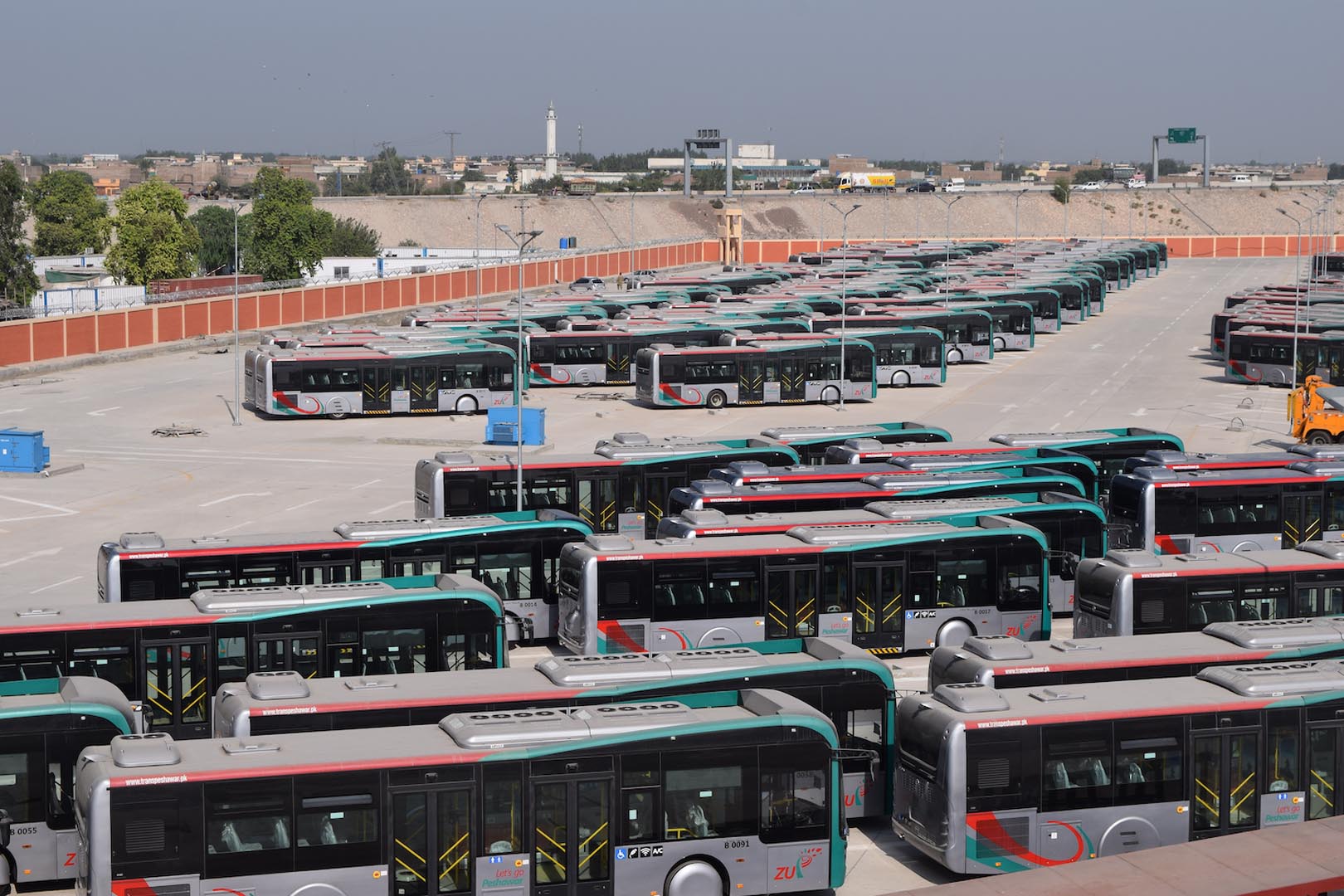
Chamkani’s bustling depot, full of buses, accommodates over 320,000 passenger trips daily thanks to the Peshawar BRT system, operational since August 2020.
The OSPF received two complaints from the same complainants on 13 February 2023 and 11 August 2023, respectively. The complaints related to compensation issues arising from the Pakistan: Peshawar Sustainable Bus Rapid Transit Corridor Project. When the first complaint remained unresolved, the complainants lodged a second complaint through OSPF’s problem-solving process. It transpired that the compensation claim of the first complainant had been resolved, with the business partner of the complainant receiving full compensation from the project on behalf of both of them. The complainant was advised that his recourse would be against his business partner. ADB project team explained to OSPF that based on the eligibility criteria established by the project to compensate workers, the second complainant was not entitled to compensation. The OSPF, therefore, informed the complainants on 12 September 2023 that their complaint had been deemed ineligible and had been excluded from the formal problem-solving process.
India: Uttarakhand Integrated and Resilient Urban Development Project
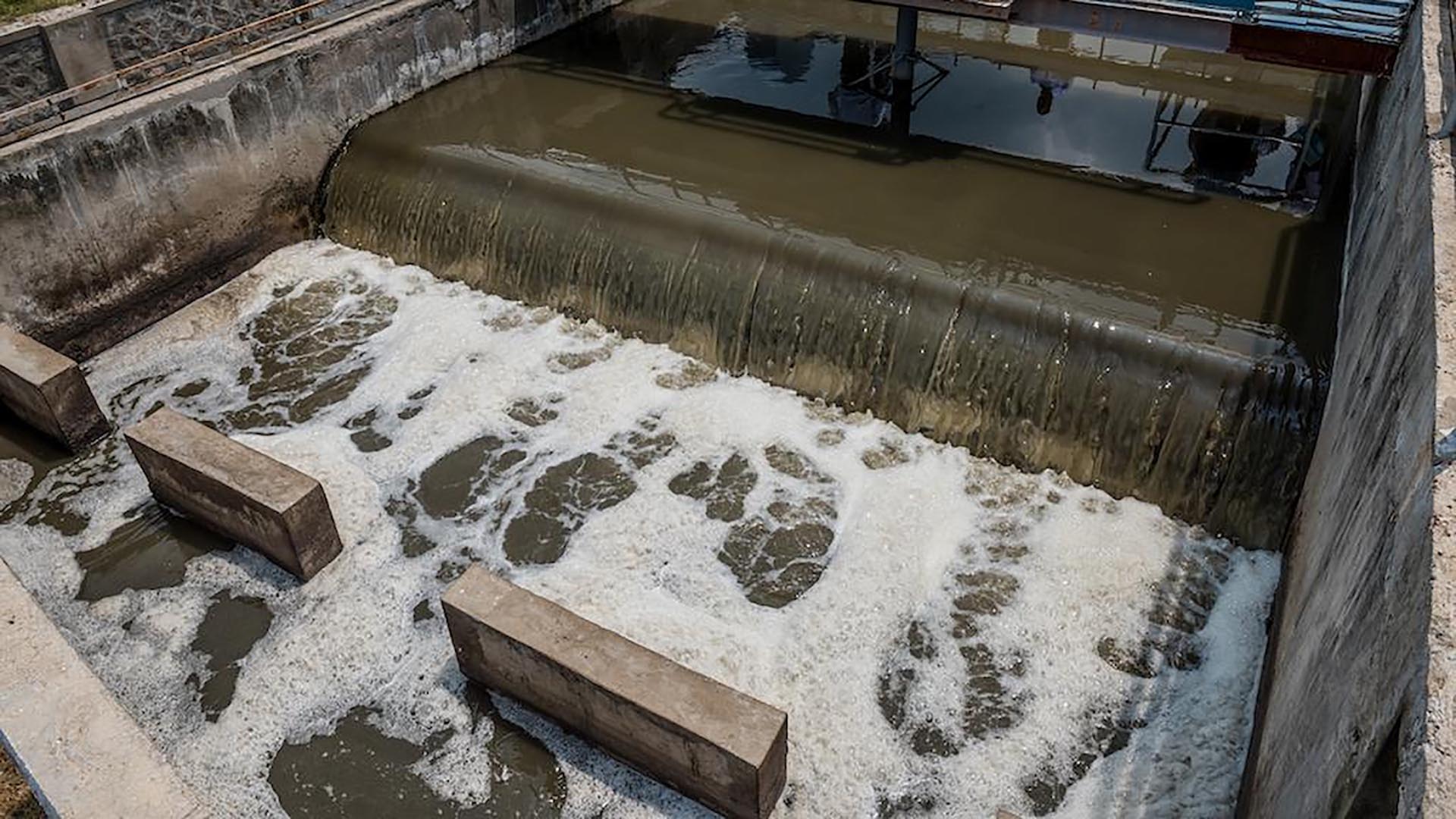
The project will lead to improvements in universal and equitable access to safe and affordable drinking water and to equitable sanitation and hygiene for all, ending open defecation.
The OSPF received a complaint about the India: Uttarakhand Integrated and Resilient Urban Development Project on 24 July 2023. The complainants raised issues related to road repair and restoration, road safety, and health concerns relating to dust from the road construction. While OSPF was determining the eligibility of the complaint, ADB project team and the project authorities agreed on temporary road repair works to alleviate the ongoing impact of the construction project. They also agreed to completely reconstruct the road upon the completion of the civil works and to commission testing of the water supply and sewerage systems. Based on the confirmation of these actions from ADB project team, the complainants withdrew their complaint prior to OSPF’s eligibility determination.
On 11 August 2023, the complainants informed the OSPF that they were satisfied with the resolution of their issues by the project authorities and ADB project team and that they had withdrawn their complaint from the formal problem-solving process. ADB project team assured complainants that the current road construction was a temporary measure and that a good-quality road would be constructed in due course. The prompt resolution of the grievances during OSPF’s eligibility determination phase demonstrates the higher likelihood of satisfactory outcomes when OSPF maintains close monitoring and informal oversight of complaints.
Pakistan: Karachi Bus Rapid Transit Red Line Project
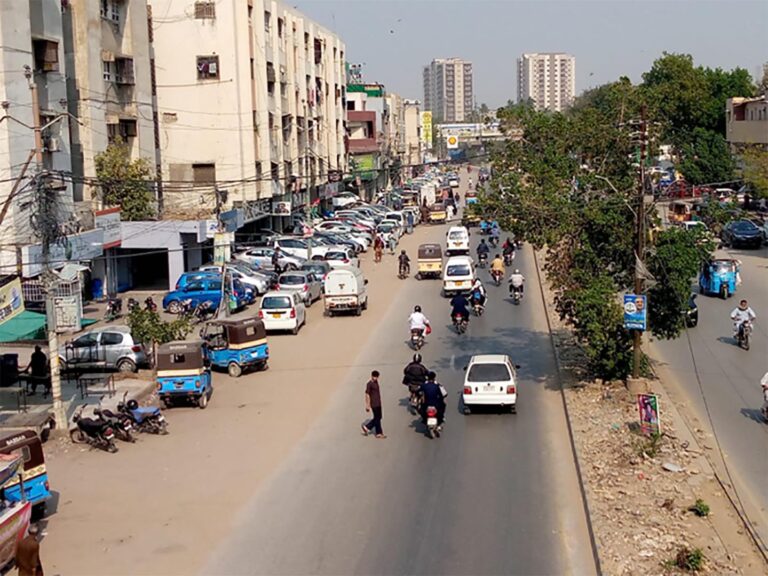
The New MA Jinnah Road is a vital artery connecting a dense portion of Karachi to the city’s central district.
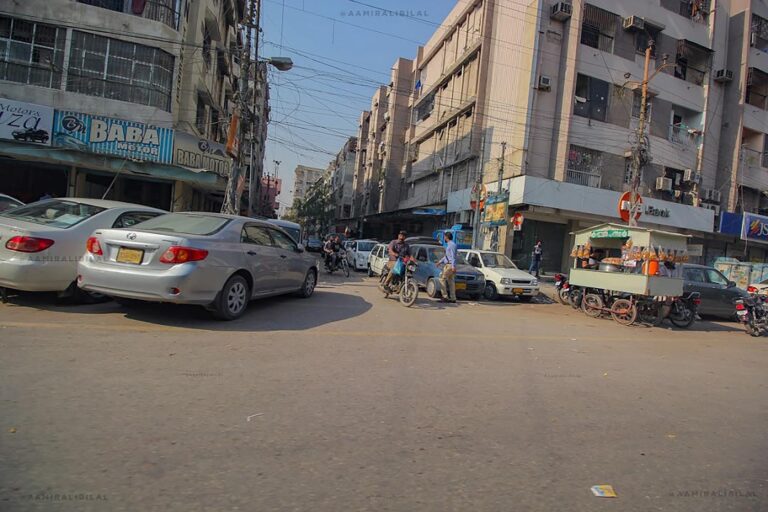
Residents are working with ADB to ensure the outcome of the Karachi BRT Red Line Project improves life for them and the business community.
The OSPF received a complaint about the Pakistan: Karachi Bus Rapid Transit Red Line Project on 18 December 2023. The complainants raised issues related to dust pollution, health concerns, and financial losses. Prior to OSPF’s eligibility determination, complainants withdrew their complaint and expressed appreciation for the proactive and collaborative efforts of ADB project team.
Closed Complaints and Final Reports: Resolution Summary
The OSPF closed four eligible complaints in 2023. They are: (i)Pakistan: Supporting Public–Private Partnership Investments in Sindh Province; (ii) Pakistan: National Highway Network Development in Balochistan Project; (iii) Sri Lanka: Clean Energy and Network Efficiency Improvement Project; and (iv) Sri Lanka: Greater Colombo Wastewater Management Project. In accordance with the AMP, the final reports have been circulated for information to ADB President, the complainants, the borrower, ADB project team, the CRP, the Board Compliance Review Committee, and the Board.
Pakistan: Supporting Public–Private Partnership Investments in Sindh Province
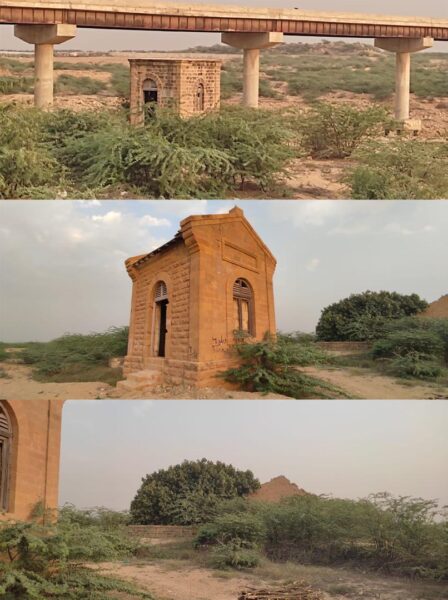
Images of some of the heritage sites that will be affected by the project (photos by complainants).
Complaint: Pakistan: Supporting Public–Private Partnership Investments in Sindh Province
Final Report
Issues: Environment, involuntary resettlement, climate change, and stakeholder engagement
Lessons Learned:
- Early identification of risks by carrying out due diligence and audits in a timely manner leads to a proactive response to potential environmental and social concerns.
- Engaging local nongovernment organizations representing complainants fosters dialogue and ensures project responsiveness to community needs.
- Adapting project design to changing circumstances improves the project’s relevance and outcomes.
Pakistan: National Highway Network Development in Balochistan Project
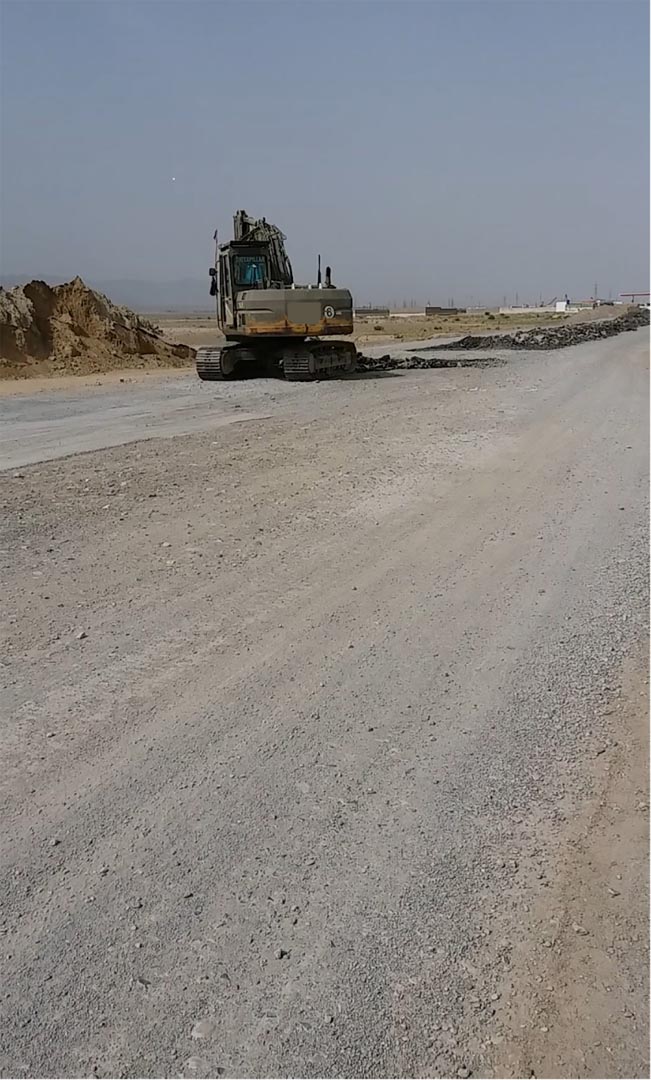
The complainants alleged that widening the existing road would affect their ancestral commercial land and asked for compensation (screenshot from a video clip shared by complainants).
Complaint: Pakistan: National Highway Network Development in Balochistan Project
Issues: Compensation and impact on ancestral commercial land
Lessons Learned:
- Enhancing due diligence is crucial. Recommendations include reviewing land and revenue records, consulting stakeholders, updating ownership records, obtaining legal opinions, and addressing claims of affected persons. Identifying land title issues early prevents delays, especially in provinces with outdated records, such as Balochistan.
- Enhancing agency capacities in the management of stakeholder grievances is vital. Training of the National Highway Authority staff, especially newer staff, to address delays in complaint handling is required.
- Involving ADB Management aids complaint resolution. Ensuring that ADB project team actively communicates with the implementing agency increases the likelihood of agreement on necessary actions.
Sri Lanka: Clean Energy and Network Efficiency Improvement Project

Men at work on the transmission line (photo by the Sri Lanka Resident Mission).
Complaint: Sri Lanka: Clean Energy and Network Efficiency Improvement Project
Issues: Alignment of the transmission to the approved route and lack of an environmental study
Lessons Learned:
- Acknowledging valid grievances is important. The complainants had clear grounds for frustration and disappointment with the lack of predictable timelines for the resolution of their grievances in the grievance redress mechanism process.
- Consulting and communicating processes undertaken with project-affected people must be meaningful, respectful, adequate, and timely.
- Updating project documents and posting them for public information in a timely manner can aid consultation with complainants and can potentially prevent the escalation of grievances.
- Enhancing the capacity of implementing agency staff and ADB project teams to manage complaints effectively can minimize delays and could have led to a quicker agreement with the complainants regarding mitigation actions or an alternative alignment.
Sri Lanka: Greater Colombo Wastewater Management Project
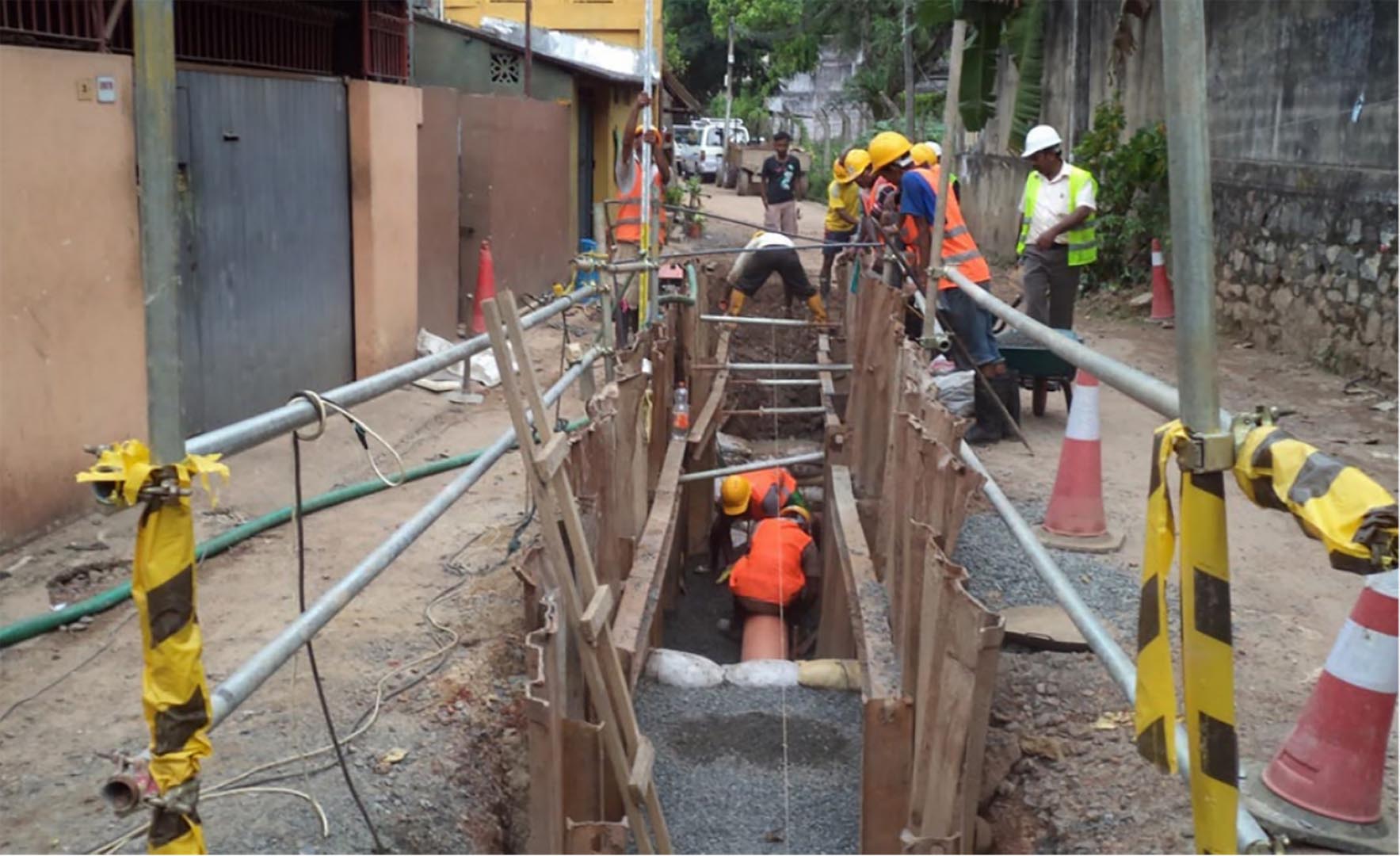
Civil works to upgrade sewerage infrastructure and to improve wastewater management.
Complaint: Sri Lanka: Greater Colombo Wastewater Management Project
Issues: Inaccurate compensation payment and health insurance claims
Lessons Learned:
- Ensuring all stakeholders understand each other’s perspectives can prevent misunderstandings and pave the way for agreement.
- Delaying responses or leaving issues unresolved may lead to frustration and further complications.
- Ensuring that all parties involved in resolving complaints demonstrate flexibility and willingness to explore various solutions makes a resolution more likely.
- Consistently adhering to organizational policies and guidelines ensures fairness and transparency in the resolution process.
Other Active Complaints under the Problem-Solving Process
India: Delhi–Meerut Regional Rapid Transit System Investment Project
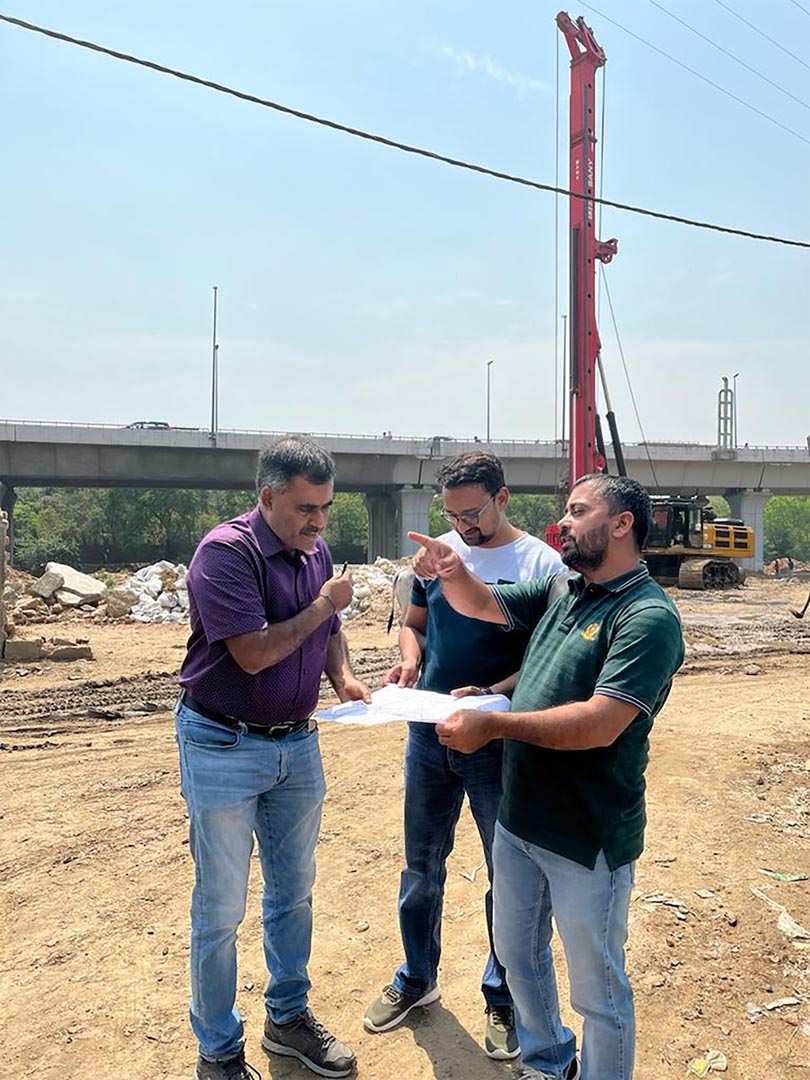

In 2023, OSPF undertook a series of field visits in India as part of its problem-solving process (photo by OSPF).
Two complainants raised issues related to the India: Delhi–Meerut Regional Rapid Transit System Investment Project. The complaints related to resettlement, compensation, valuation, impacts on noise, vibration, easement rights, environment, and safety. An earlier complaint (SPF-2022-14-02-0134) about this project was received on 4 July 2022 from different complainants and was deemed ineligible due to a lack of good faith efforts to resolve issues at the ADB operations department level. Both sets of complainants are now being handled by OSPF under one complaint. The executing agency had initially considered that 24 apartments fell within the proposed alignment of the project and would need to be purchased. After they carried out design changes to the alignment, however, 16 of the 24 apartments were determined to be no longer permanently affected by the project. Notwithstanding the change in alignment, the executing agency recognized that the complainants’ apartments were facing the construction site. Considering all of the information, the executing agency found the 16 apartments to be in a unique situation and has agreed to engage in OSPF’s problem-solving process with the complainants who are owners or lawful possessors of the properties. The OSPF’s formal problem-solving process is ongoing. A review and assessment mission will be undertaken in January 2024.
Nepal: Tanahu Hydropower Project
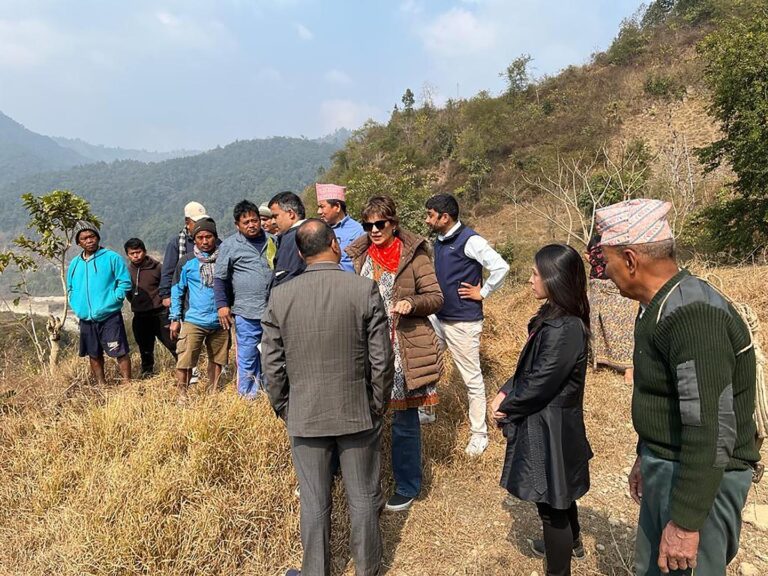
The ongoing problem-solving phase involves OSPF and the project team developing an action plan to assist complainants to obtain legal recognition of customary land rights as outlined in the Indigenous Peoples Plan (photo by OSPF).
On 12 February 2020, three complainants representing 32 households of a Magar Indigenous People’s community, together with two NGOs, filed a complaint with OSPF regarding the Nepal: Tanahu Hydropower Project. The same complaint was filed with the European Investment Bank’s Complaints Mechanism. The complainants alleged inadequate compensation for titled and nontitled agriculture land and lack of recognition of their indigenous rights. The complaint was deemed to be eligible for the problem-solving process on 20 February 2020. The OSPF completed its review and assessment phase virtually and issued its final review and assessment report on 16 November 2020. The problem-solving phase is ongoing.
Nepal: Regional Urban Development Project

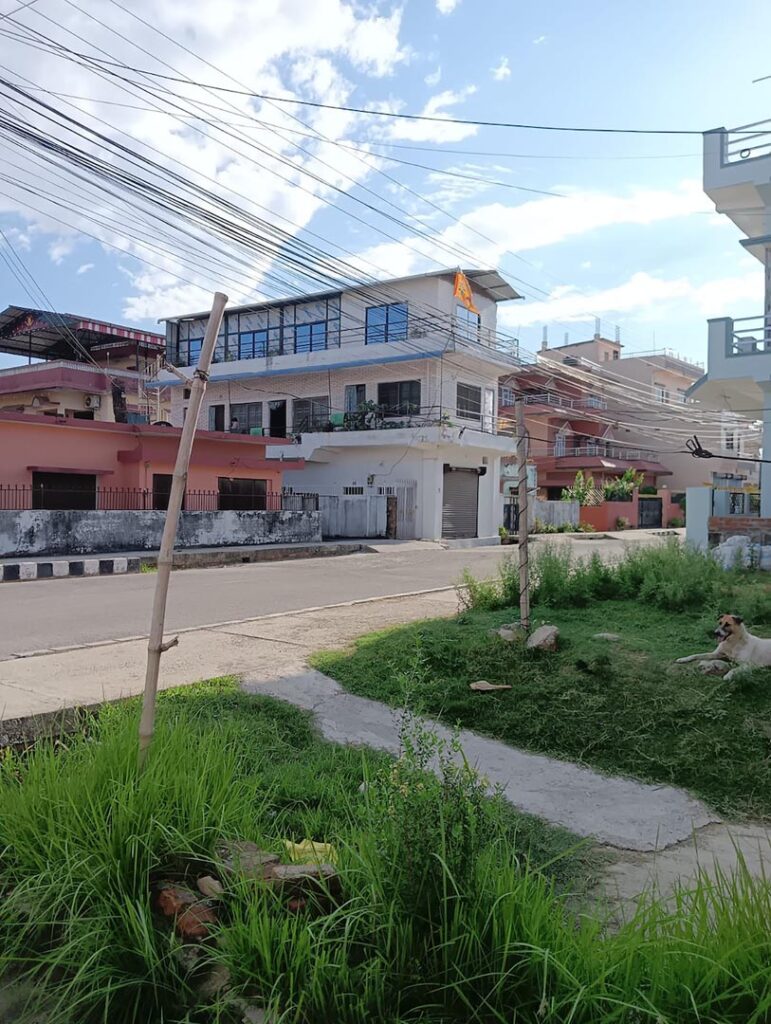
Construction of drainage in front of the complainants’ residence caused significant concern. The problem-solving process is ongoing.
The OSPF received the first complaint about the Nepal: Regional Urban Development Project on 3 January 2020. It concerned property damage compensation. Deemed eligible for OSPF problem-solving on 14 January 2020, a final compensation offer was made after an OSPF mission in February 2020. Initially refused by the complainants, the offered amount was placed in an escrow account by the executing agency. On 14 July 2020, shortly before the offer’s expiration, the complainants accepted and received the compensation. On 14 December 2020, the complainants contacted ADB again, claiming that project authorities were violating an agreement provision preventing encroachment on their land. An OSPF and resident mission review found that there was a property line dispute that would be resolved by a cadastral survey. This had been delayed, however, due to objections from the complainants’ neighbors. Considering the municipality’s proposal for a design change, OSPF is now working with the relevant ADB staff to consider the issues raised by the complainants regarding the use of the complainants’ land for the project. The OSPF is monitoring the case and closely coordinating with ADB project team to uphold the negotiated agreement.
Pakistan: Pehur High Level Canal Extension Project
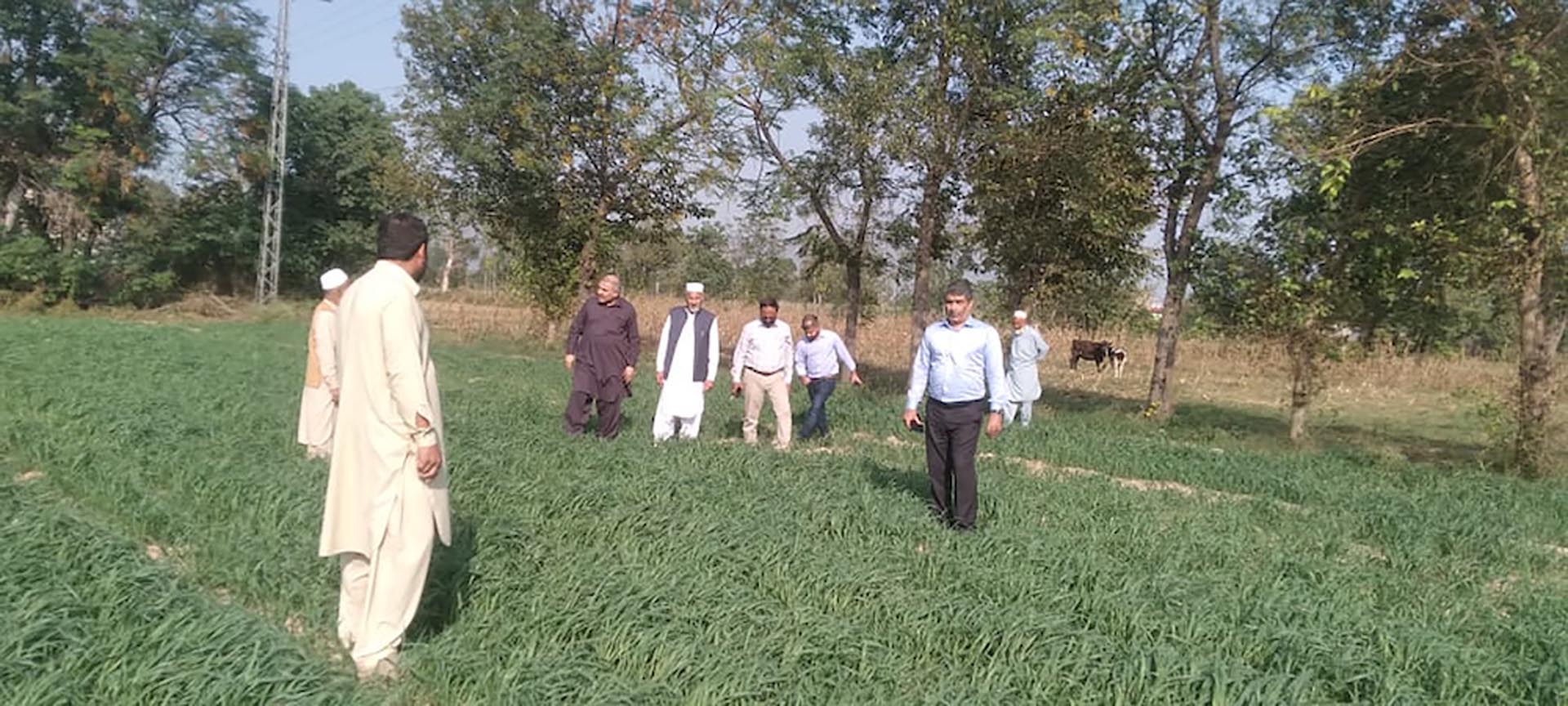
OSPF commissioned an independent valuation study to assess fair market value and transaction costs of complainants’ properties, aligning with ADB’s Safeguard Policy Statement 2009 (photo by OSPF).
The Pakistan: Pehur High Level Canal Extension Project includes a section of pressure pipeline that will traverse the farm of 10 families who complained that (i) the project would significantly reduce their farm productivity and income, (ii) the pressure pipe would present serious safety hazards to the complainants, and (iii) they were not consulted regarding the alignment of the pipe. They filed their complaint on 13 March 2019, and it was deemed eligible for OSPF’s problem-solving process on 23 April 2019. The OSPF continued to monitor the progress of the executing agency and the relevant ADB operations department. Efforts are being made to resolve the complaint, including the engagement of experts for an independent valuation study.
Pakistan: Multi-Tranche Financing Facility Power Transmission Enhancement Investment Program II (Tranche 3)
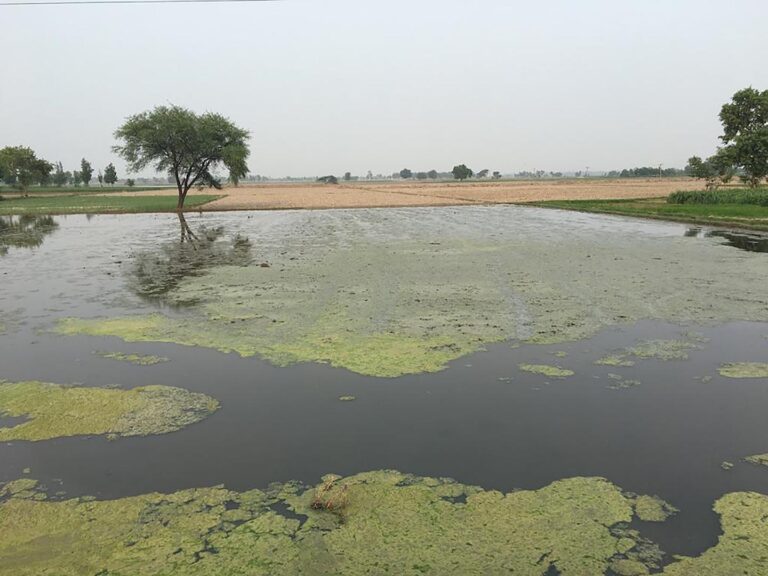
The OSPF monitors assurances from the project’s agency that there will be no further harm to complainants’ land, no further acquisition plans. and that they will implement livelihood restoration (photo by OSPF).
On 19 June 2019, 120 farm families from north of Lahore complained about the acquisition of their land for a 500-kilovolt grid station to be constructed as part of the Pakistan: Multi-Tranche Financing Facility Power Transmission Enhancement Investment Program II (Tranche 3). The complaint was deemed eligible for OSPF problem-solving. The land acquisition process was just beginning and OSPF was preparing for a multistakeholder meeting when the coronavirus disease (COVID-19) pandemic interrupted the negotiations. Since then, OSPF has had periodic virtual meetings with the complainants’ representatives, the executing agency, and the resident mission to discuss how to resolve any outstanding issues of the complaint, including ensuring the social and environmental integrity of the project layout and land acquisition process. The OSPF’s facilitation and the parties’ commitment to the process resulted in all parties signing a memorandum of understanding on 13 September 2021. The OSPF has continued to monitor the assurances of the executing agency, the National Transmission & Despatch Company, that (i) there would be no harm to complainants’ remaining land; (ii) there are no plans for further land acquisition; and (iii) the livelihood restoration plan has been finalized and is being implemented.